

If you check your blood sugar in the morning and see a higher number than expected, it can be confusing. You may think, “I haven’t eaten anything, so why is my blood sugar high?” The answer is that food is only one factor that affects blood glucose. Your liver naturally releases glucose between meals and overnight, and hormones released in the early morning can cause blood sugar to rise even when you have not eaten.
This is especially common in people with diabetes or insulin resistance, but consistently high fasting blood sugar can also be an early sign that your body is having difficulty regulating glucose. Understanding why blood sugar can rise without eating can help you recognize when a morning reading is a temporary fluctuation and when it deserves medical evaluation.

Quick Answer
Your blood sugar can rise even when you haven’t eaten because your liver releases stored glucose into the bloodstream and hormones such as cortisol and growth hormone can increase glucose production in the early morning. This is commonly called the dawn phenomenon. Other possibilities include diabetes, insulin resistance, certain medications, illness, stress, poor sleep, or problems with diabetes medication. If your fasting blood sugar is consistently high, talk with a healthcare professional rather than assuming that skipping meals will bring it down.
Note:
A single high blood sugar reading does not necessarily tell you why your glucose is elevated. If high fasting readings happen repeatedly, your healthcare professional may recommend laboratory testing such as fasting plasma glucose and A1C to determine whether diabetes, prediabetes, or another issue may be contributing.
Table of Contents
- Why Can Blood Sugar Rise Without Eating?
- Why Is My Fasting Blood Sugar High in the Morning?
- What Is the Dawn Phenomenon?
- What Else Can Cause High Blood Sugar Without Eating?
- How High Is Too High for Fasting Blood Sugar?
- What Symptoms Can High Blood Sugar Cause?
- When Should You See a Doctor for High Fasting Blood Sugar?
- How Do Doctors Evaluate High Fasting Glucose?
- Can Skipping Meals Lower High Blood Sugar?
- How Can You Manage High Morning Blood Sugar?
- What Should You Expect at a Primary Care Visit?
- Frequently Asked Questions
- Final Takeaway
Why Can Blood Sugar Rise Without Eating?
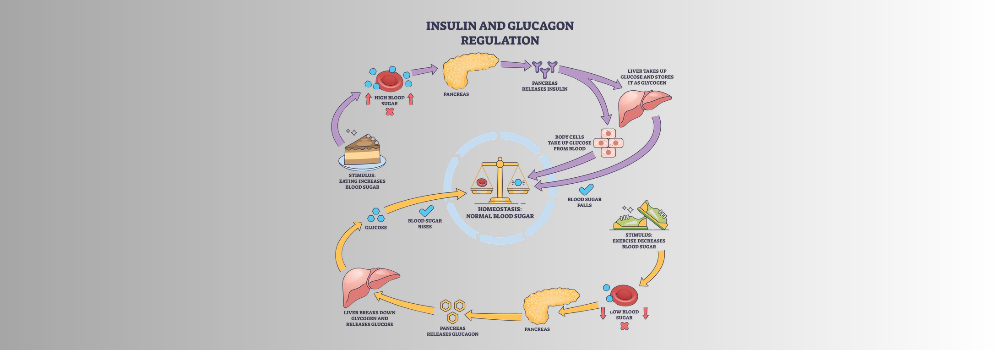
It is possible for blood sugar to increase even when you have not eaten anything because your body does not stop producing glucose when you stop eating. Your liver stores glucose and releases it into your bloodstream when your body needs energy.
During an overnight fast, your body still needs a steady supply of energy for your brain, heart, muscles, and other organs. The liver helps provide that energy by releasing glucose. Normally, insulin helps keep this process under control.
When insulin is insufficient or your body does not respond to insulin effectively, glucose can remain in the bloodstream instead of moving efficiently into cells. This can result in high blood sugar even before breakfast.
The American Diabetes Association explains that hyperglycemia can occur when the body does not have enough insulin or cannot use insulin properly. It also identifies the dawn phenomenon as one possible cause of elevated glucose in the early morning.
That means eating less is not always the answer to a high fasting glucose reading. Your blood sugar is influenced by hormones, insulin sensitivity, your liver’s glucose production, medications, illness, stress, sleep, physical activity, and other factors.
Why Is My Fasting Blood Sugar High in the Morning?
A high blood sugar level before breakfast can happen for several reasons. One of the most common explanations is the body’s normal early-morning hormonal activity.
In the hours before you wake up, hormones such as cortisol and growth hormone increase. These hormones help your body prepare to wake up and become active. They can also signal the liver to release more glucose into the bloodstream.
For someone whose insulin response is working normally, the body generally compensates for this increase in glucose production. But if you have diabetes, insulin resistance, or insufficient insulin, the additional glucose may cause your blood sugar to rise.
The ADA describes two major contributors to morning highs as the dawn phenomenon and waning insulin. A less common possibility is the Somogyi effect, in which overnight low blood sugar may be followed by a rebound increase.
If you regularly notice that your blood sugar is higher when you wake up than it was when you went to bed, do not automatically assume that you ate something during the night. The pattern may have more to do with what your body is doing while you sleep.
What Is the Dawn Phenomenon?
The dawn phenomenon is a natural rise in blood glucose that occurs during the early morning hours as hormone levels change.
Hormones such as cortisol and growth hormone can signal the liver to increase glucose production. This helps provide the energy your body needs as you transition from sleep to wakefulness.
For people without problems regulating blood sugar, insulin usually helps keep this increase within a normal range. In people with diabetes or insulin resistance, however, the glucose increase may be more noticeable.
This can create a frustrating pattern: you go to bed without eating anything unusual, sleep for several hours, and then wake up with a higher blood sugar level than expected.
The dawn phenomenon is particularly relevant when someone consistently has high morning blood glucose. The ADA notes that morning highs can occur even after several hours without carbohydrate intake because the body is producing glucose on its own.
Quick Answer: Can Blood Sugar Rise Without Eating Sugar?
Yes. Your body can produce and release glucose even when you have not eaten. The liver releases stored glucose to provide energy, and hormones can increase glucose production during the early morning. If insulin is not working effectively, that glucose can accumulate in the bloodstream.
What Else Can Cause High Blood Sugar Without Eating?
The dawn phenomenon is only one possible explanation. If your blood sugar is high despite not eating, several other factors may be involved.
1. Insulin resistance
Insulin resistance occurs when the body’s cells do not respond effectively to insulin. The pancreas may initially produce more insulin to compensate, but blood glucose can still rise over time.
Insulin resistance can contribute to elevated fasting glucose and may occur before type 2 diabetes is diagnosed.
2. Diabetes
Diabetes can cause blood sugar to remain elevated because the body either does not produce enough insulin or cannot use insulin effectively.
If your fasting glucose is repeatedly high, it is important to determine whether diabetes or prediabetes is contributing rather than trying to correct the number by simply eating less.
3. Illness or infection
Being sick can raise blood sugar even when you are eating less than usual. The body’s stress response can increase hormones that raise glucose levels.
That is one reason blood sugar may become unexpectedly high during an infection, fever, respiratory illness, or another physical stress.
4. Stress
Physical and emotional stress can affect blood glucose. Stress hormones can cause the liver to release more glucose, which may result in higher readings.
If your morning glucose becomes elevated during a particularly stressful period, stress may be one contributing factor.
5. Poor sleep
Sleep affects many systems involved in metabolism and glucose regulation. Repeatedly getting inadequate or disrupted sleep may make blood sugar management more difficult.
If you are consistently waking up with high glucose, consider discussing your sleep pattern with your healthcare professional along with your blood sugar readings.
6. Certain medications
Some medications can increase blood glucose. Corticosteroids, for example, can significantly affect glucose levels in some people.
If you recently started or changed a medication and noticed a new pattern of high blood sugar, tell your healthcare professional. Do not stop a prescribed medication without medical advice.
7. Diabetes medication or insulin timing
If you already have diabetes, your morning glucose may be affected by the type, dose, timing, or duration of your medication or insulin.
Do not change your insulin dose or diabetes medication on your own based on one morning reading. Your healthcare professional can look at your glucose pattern and determine whether your treatment needs to be adjusted.
8. Eating late at night
Even if you are not eating when you check your glucose in the morning, a late dinner, bedtime snack, or large evening meal can affect your overnight and morning blood sugar.
This is one reason it can be useful to look at the entire pattern rather than focusing only on the fasting number.
How High Is Too High for Fasting Blood Sugar?
A fasting blood sugar reading should not be interpreted in isolation. However, repeated elevations can be clinically important.
For laboratory testing, the American Diabetes Association defines fasting plasma glucose as a blood glucose measurement after at least 8 hours without caloric intake. A fasting plasma glucose of 126 mg/dL or higher falls within the diabetes diagnostic range. An A1C of 6.5% or higher is also within the diabetes diagnostic range.
Diagnosis generally requires confirmation when there is not clear evidence of hyperglycemia or a hyperglycemic crisis. A home glucose meter can be useful for monitoring patterns, but diagnosis should be made using appropriate laboratory testing.
| Fasting Plasma Glucose | General Interpretation |
|---|---|
| Below 100 mg/dL | Generally within the normal fasting range |
| 100–125 mg/dL | Prediabetes range |
| 126 mg/dL or higher | Diabetes diagnostic range when confirmed with appropriate testing |
These numbers are based on laboratory diagnostic criteria and should not be used to diagnose yourself from a single home glucose reading. If you repeatedly see elevated fasting readings, discuss them with your healthcare professional.
For people who already have diabetes, individualized glucose targets may differ depending on age, medications, overall health, pregnancy status, and other factors.
What Symptoms Can High Blood Sugar Cause?
Some people have no obvious symptoms when their blood sugar is moderately elevated, especially if the increase develops gradually. Others may notice symptoms as glucose becomes higher.
Common symptoms of hyperglycemia can include:
- Increased thirst
- Frequent urination
- Fatigue
- Blurred vision
- Headache
- Difficulty concentrating
- Unexplained weight loss in some cases
Very high blood sugar accompanied by vomiting, abdominal pain, difficulty breathing, confusion, severe weakness, or other serious symptoms requires prompt medical attention. These symptoms can occur with serious diabetes-related complications such as diabetic ketoacidosis.
If you have diabetes and your glucose is very high, follow the sick-day and emergency instructions provided by your healthcare professional. Do not rely solely on how you feel because significant glucose abnormalities can sometimes occur without dramatic symptoms.
When Should You See a Doctor for High Fasting Blood Sugar?
You should consider making a primary care appointment if your fasting blood sugar is consistently higher than expected, particularly if you do not already have a diagnosis of diabetes.
A doctor can determine whether the pattern is related to prediabetes, diabetes, insulin resistance, medication effects, illness, or another issue.
It is especially important to seek medical evaluation if:
- Your fasting glucose is repeatedly elevated.
- Your morning blood sugar is gradually increasing over time.
- You have symptoms such as excessive thirst or frequent urination.
- You have unexplained weight loss or persistent fatigue.
- You have risk factors for type 2 diabetes.
- You already have diabetes but your usual glucose pattern has changed.
- Your medication no longer appears to be controlling your glucose as expected.
For people in Sugar Land, regular diabetes screening and diagnostic testing can be part of ongoing primary care. Lifetime Primary Care’s diagnostic testing services include routine blood work and diabetes screening.
How Do Doctors Evaluate High Fasting Glucose?
Your healthcare professional will usually look at the pattern rather than one isolated number. The evaluation may include your symptoms, medical history, medications, family history, lifestyle factors, and blood glucose readings.
Fasting plasma glucose
A fasting plasma glucose test measures blood glucose after at least 8 hours without caloric intake. NIDDK identifies fasting plasma glucose as one of the standard tests used to diagnose diabetes and prediabetes.
A1C test
An A1C test provides an estimate of your average blood glucose over approximately the previous three months. Unlike a fasting glucose test, you generally do not need to fast before an A1C blood test.
Looking at both fasting glucose and A1C can give your healthcare professional a broader picture of how your blood sugar has been behaving.
Additional testing when appropriate
Depending on your circumstances, your healthcare professional may recommend additional blood or urine testing. This can help identify other conditions or factors that may be affecting your glucose.
Lifetime Primary Care provides diagnostic testing in Sugar Land, including routine blood work and diabetes screening.
Can Skipping Meals Lower High Blood Sugar?
It may seem logical that if food raises blood sugar, avoiding food should bring your glucose down. But that is not always what happens.
Your body can continue releasing glucose from the liver even when you are not eating. Hormonal changes can also increase glucose production. As a result, someone with insulin resistance or diabetes may have high blood sugar even after several hours without food.
In addition, intentionally skipping meals can make diabetes management more complicated for people taking insulin or certain glucose-lowering medications. Depending on the medication, skipping meals can increase the risk of low blood sugar.
For this reason, do not use prolonged fasting as a way to treat consistently high blood sugar unless you have discussed it with your healthcare professional.
If you are trying to improve your glucose levels, a more useful approach is to identify what is driving the high readings and create a sustainable treatment and lifestyle plan.
How Can You Manage High Morning Blood Sugar?
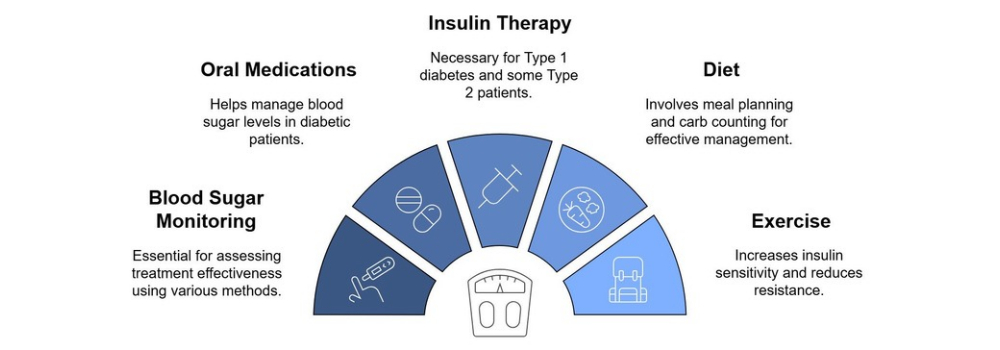
The best approach depends on why your glucose is elevated. If your morning highs are related to diabetes, insulin resistance, medication timing, or another medical issue, your healthcare professional can help determine the appropriate treatment.
In general, helpful habits can include:
- Taking diabetes medications exactly as prescribed.
- Following a balanced eating pattern recommended by your healthcare professional.
- Being physically active according to your health and fitness level.
- Getting consistent, adequate sleep.
- Managing ongoing stress.
- Monitoring blood glucose as recommended.
- Keeping track of recurring morning glucose patterns.
- Attending routine medical and diabetes follow-up appointments.
If you repeatedly wake up with high blood sugar, keeping a record of your readings can be useful. Depending on your situation, your healthcare professional may want to compare your bedtime glucose with your morning glucose and look at additional readings during the night or use other monitoring information.
Do not change insulin or prescription medication doses simply because of one high morning reading. Treatment adjustments should be based on your overall glucose pattern and medical situation.
Note:
Repeated fasting glucose elevations are worth discussing with a healthcare professional. A high morning reading can have several explanations, and identifying the cause is more useful than simply trying to eat less or skip meals.
What Should You Expect at a Primary Care Visit?
If you make an appointment because your blood sugar is consistently high in the morning, your doctor will likely ask about your glucose readings, eating schedule, medications, sleep, physical activity, symptoms, and family history.
You may also be asked whether your glucose is high only in the morning or remains elevated throughout the day. This distinction can help your healthcare professional understand whether the pattern may be related to overnight hormone changes, medication timing, meals, insulin resistance, or another factor.
Your doctor may recommend laboratory testing such as fasting glucose and A1C. Depending on your medical history and symptoms, additional testing may also be appropriate.
For ongoing conditions such as diabetes, chronic care management can help with regular monitoring, testing, treatment coordination, and follow-up.
Routine preventive care also matters. A comprehensive annual physical exam in Sugar Land can provide an opportunity to review your overall health and identify health concerns early.
Concerned About Consistently High Blood Sugar?
If your fasting glucose is repeatedly elevated or you are noticing a new pattern of high morning blood sugar, a primary care evaluation can help determine what may be contributing to it.
Lifetime Primary Care provides primary care and diagnostic services in Sugar Land, Texas.
Frequently Asked Questions About High Blood Sugar Without Eating
Why is my blood sugar high when I haven’t eaten anything?
Your blood sugar can rise without eating because your liver releases glucose into the bloodstream and hormones can increase glucose production. The dawn phenomenon is one common explanation for high morning blood sugar. Diabetes, insulin resistance, illness, stress, medication effects, and other factors can also contribute.
Why is my fasting glucose high in the morning?
High fasting glucose in the morning can be related to the dawn phenomenon, which involves hormonal changes that increase glucose production during the early morning hours. Other possibilities include insufficient insulin, insulin resistance, diabetes, medication effects, illness, stress, or late-night eating.
Can blood sugar rise without eating sugar?
Yes. Blood glucose does not come only from recently eaten sugar or carbohydrates. Your liver can produce and release glucose when you have not eaten, and hormonal changes can increase this process.
Why is my blood sugar higher when I wake up?
Blood sugar may be higher when you wake up because hormones such as cortisol and growth hormone increase during the early morning and can signal the liver to release glucose. This is commonly associated with the dawn phenomenon.
Is fasting blood sugar of 126 dangerous?
A laboratory fasting plasma glucose of 126 mg/dL or higher falls within the diabetes diagnostic range when confirmed using appropriate testing. It does not mean that a single home glucose reading automatically diagnoses diabetes. If you repeatedly see readings around or above this level, talk with a healthcare professional about appropriate testing.
Should I see a doctor for consistently high fasting glucose?
Yes. Repeatedly high fasting glucose deserves medical evaluation, particularly if you have symptoms such as increased thirst, frequent urination, fatigue, blurred vision, or unexplained weight loss. Testing such as fasting plasma glucose and A1C can help determine whether diabetes or prediabetes may be involved.
Can stress cause high blood sugar even if I haven’t eaten?
Yes. Stress can trigger hormonal changes that increase glucose production and make blood sugar harder to control. This can happen even when you have not recently eaten.
Can being sick cause high blood sugar without eating?
Yes. Illness can activate the body’s stress response and cause blood glucose to rise. People with diabetes may notice higher glucose readings during infections or other illnesses even if they are eating less than usual.
Can I lower fasting blood sugar by skipping breakfast?
Skipping breakfast does not necessarily lower fasting blood sugar because your liver can continue releasing glucose into your bloodstream. If you take insulin or certain diabetes medications, skipping meals may also affect your risk of low blood sugar. Discuss meal timing with your healthcare professional rather than using fasting as a treatment for high glucose.
Final Takeaway
High blood sugar without eating can seem confusing, but it has a straightforward biological explanation. Your body continues producing and releasing glucose between meals, and early-morning hormones can cause blood sugar to rise even after an overnight fast.
The dawn phenomenon is one common reason for high morning blood sugar, but it is not the only possibility. Insulin resistance, diabetes, illness, stress, poor sleep, medications, late-night eating, and changes in diabetes treatment can also contribute.
If your fasting blood sugar is consistently high, do not assume that eating less or skipping meals will solve the problem. A healthcare professional can evaluate the pattern, order appropriate testing, and determine whether diabetes, prediabetes, medication effects, or another factor may be responsible.
For patients in Sugar Land, Texas, Lifetime Primary Care provides primary care, preventive care, chronic condition management, and diagnostic services that can help address concerns about abnormal blood sugar.
Get Your Blood Sugar Checked
If you are consistently waking up with high blood sugar or are concerned about your fasting glucose, schedule an evaluation with a primary care professional.
Lifetime Primary Care is located at 16645 W Airport Blvd, Sugar Land, TX 77498.
Medical Sources
American Diabetes Association
High Morning Blood Glucose: Understanding and Management
American Diabetes Association
Hyperglycemia (High Blood Glucose)
American Diabetes Association
Standards of Care in Diabetes—2026: Diagnosis and Classification of Diabetes
National Institute of Diabetes and Digestive and Kidney Diseases
Diabetes Tests & Diagnosis
Lifetime Primary Care
Diagnostic Testing in Sugar Land
Medical Disclaimer
This article is for general educational purposes only and is not a substitute for professional medical advice, diagnosis, or treatment. Blood sugar targets and treatment recommendations can vary based on your individual health, medications, age, pregnancy status, and other factors. If you have concerns about your blood sugar or symptoms of a medical emergency, seek appropriate medical care promptly.