

A blood pressure reading of 180/120 mm Hg is dangerously high and requires immediate attention. However, the next step depends on what happens after you repeat the reading and whether you have symptoms such as chest pain, shortness of breath, weakness, numbness, vision changes, or difficulty speaking.
A reading above 180/120 without concerning symptoms may represent severe hypertension and still requires prompt medical guidance. When the same level of blood pressure occurs together with symptoms suggesting possible organ damage, it can represent a hypertensive emergency and requires a call to 911. The American Heart Association recommends waiting at least one minute and repeating a reading above 180/120 before deciding what to do next.

Quick Answer: Blood pressure of 180/120 or higher should never be ignored. Sit quietly, repeat the measurement after at least one minute, and check for emergency symptoms. Chest pain, trouble breathing, weakness, numbness, vision changes, difficulty speaking, or other new serious symptoms alongside a reading above 180/120 are reasons to call 911 immediately.
Table of Contents
- What Does Blood Pressure 180/120 Mean?
- Is 180/120 Always a Medical Emergency?
- What Symptoms Make 180/120 an Emergency?
- What Should You Do If Your BP Is 180/120?
- How to Repeat the Reading Correctly
- When Should You Call 911?
- When Should You Go to the ER?
- Why Can Blood Pressure Suddenly Reach 180/120?
- Can Medications Cause a Sudden Spike?
- Could the Reading Be Wrong?
- What Happens After a 180/120 Reading?
- How Can Another Severe Spike Be Prevented?
- Can a Primary Care Doctor Help With Severe Hypertension?
- Frequently Asked Questions
- Final Takeaway
What Does Blood Pressure 180/120 Mean?
Blood pressure is written as two numbers. The first number, or systolic pressure, reflects the pressure in your arteries when your heart contracts. The second number, called diastolic pressure, represents pressure between heartbeats.
A reading of 180/120 mm Hg is far above the usual blood pressure range. At this level, the concern is not simply that the number is “high.” Extremely elevated pressure can place significant stress on blood vessels and organs, particularly when the elevation is accompanied by symptoms.
The distinction between a very high reading and a true hypertensive emergency depends on the clinical situation. AHA guidance classifies blood pressure above 180/120 as severe hypertension when there are no emergency symptoms. The presence of symptoms such as chest pain, shortness of breath, weakness, numbness, vision changes, or difficulty speaking changes the situation and may indicate a hypertensive emergency.
Is 180/120 Always a Medical Emergency?
Not necessarily, but it is always a reading that requires prompt attention.
A blood pressure measurement above 180/120 should first be repeated correctly. Someone who feels completely well may have severe hypertension rather than a hypertensive emergency, but the reading still should not be dismissed or simply monitored for several days without contacting a healthcare professional.
The situation becomes an emergency when the extremely high blood pressure is accompanied by symptoms that could signal acute injury involving the heart, brain, lungs, kidneys, or other organs.
This distinction matters because the appropriate response is different:
| Situation | What to Do |
|---|---|
| Reading above 180/120, no concerning symptoms | Repeat the measurement after at least one minute and contact your healthcare professional promptly if it remains very high. |
| Reading above 180/120 with chest pain, breathing difficulty, weakness, numbness, vision changes, or difficulty speaking | Call 911 immediately. |
The American Heart Association specifically advises calling 911 when blood pressure is higher than 180/120 and emergency symptoms are present.
What Symptoms Make 180/120 an Emergency?
Extremely high blood pressure can sometimes occur without obvious symptoms. That is one reason a severe reading should not be judged solely by how you feel.
Emergency warning signs include:
- Chest pain or pressure
- Shortness of breath or difficulty breathing
- Sudden weakness
- Numbness, particularly on one side of the body
- Difficulty speaking or understanding speech
- Sudden changes in vision
- Severe or unusual headache
- Severe back pain
- Confusion or altered mental status
- Loss of consciousness
These symptoms can occur with serious conditions such as stroke, heart attack, acute heart problems, or other forms of organ injury. A hypertensive emergency is therefore defined by more than the number on the blood pressure monitor; the presence of acute symptoms and possible organ damage is critical.
Note: Do not wait for symptoms to become severe before seeking emergency care. A reading above 180/120 combined with new chest pain, breathing difficulty, neurological symptoms, vision changes, or another serious symptom should be treated as an emergency.
What Should You Do If Your Blood Pressure Is 180/120?
The safest approach is to slow down and follow the appropriate steps rather than repeatedly checking the monitor in a state of panic.
1. Stop what you are doing
Sit down somewhere quiet. Avoid exercise or other physical activity while you determine whether the reading is accurate and whether symptoms are present.
2. Wait at least one minute
The American Heart Association recommends waiting at least one minute before taking another measurement when the blood pressure is above 180/120.
3. Take another reading
Use an appropriately sized upper-arm cuff and follow proper measurement technique. Keep your back supported, place both feet flat on the floor, support your arm at heart level, and remain quiet during the measurement.
4. Check for warning symptoms
Pay attention to how you feel rather than focusing only on the number. Chest pain, shortness of breath, weakness, numbness, vision changes, difficulty speaking, or other new serious symptoms require emergency attention.
5. Choose the appropriate level of care
A persistent reading above 180/120 without emergency symptoms calls for immediate contact with a healthcare professional. The appearance of emergency symptoms changes the response: call 911 rather than waiting for the pressure to fall on its own.

How to Repeat the Reading Correctly
Before assuming that a single measurement represents your usual blood pressure, make sure the measurement itself is reliable. Caffeine, nicotine, exercise, a full bladder, talking during the reading, an unsupported arm, crossed legs, or an incorrectly sized cuff can interfere with an accurate measurement.
For the repeat reading, sit quietly with your back supported and feet flat on the floor. Keep your arm supported at heart level and avoid talking while the monitor is running.
Use a validated upper-arm blood pressure monitor when possible. The AHA recommends taking another measurement after an unexpectedly high result and recording the readings so your healthcare professional can review the pattern.
Even when a second measurement drops substantially, a reading around 180/120 deserves discussion with a healthcare professional, particularly if you have a history of hypertension or other cardiovascular risk factors.
When Should You Call 911?
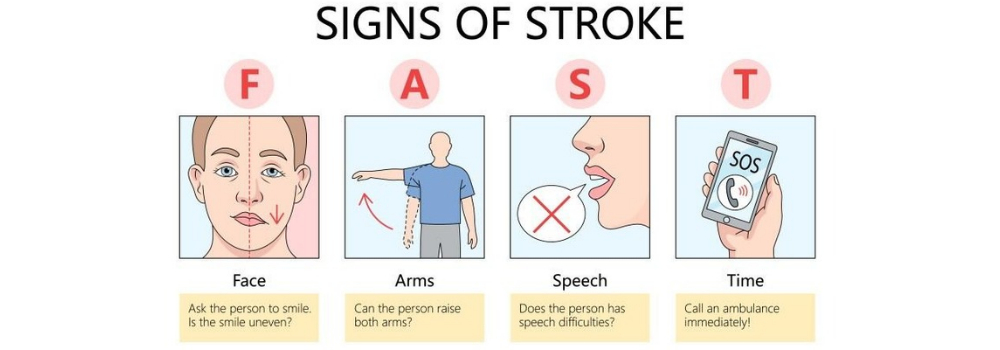
Call 911 immediately when your blood pressure is above 180/120 and you have symptoms that may indicate an acute medical emergency.
Examples include chest pain, difficulty breathing, sudden weakness or numbness, vision changes, difficulty speaking, severe back pain, or other significant new symptoms.
Do not drive yourself to the hospital when you may be experiencing a stroke, heart attack, or another potentially life-threatening condition. Emergency medical personnel can begin assessment and treatment while transporting you.
The AHA specifically advises against waiting to see whether the blood pressure comes down by itself when severe elevation occurs with emergency symptoms.
When Should You Go to the ER?
Emergency department care may be necessary when severe blood pressure is accompanied by symptoms suggesting acute organ injury. The decision should be based on the complete clinical picture rather than the blood pressure number alone.
Examples of situations that can require emergency evaluation include:
- Very high blood pressure with chest pain
- Very high blood pressure with difficulty breathing
- Possible stroke symptoms such as sudden weakness, numbness, vision problems, or difficulty speaking
- Severe neurological symptoms or altered consciousness
- Other new symptoms that suggest an acute cardiovascular or neurological problem
For a reading above 180/120 without these symptoms, the AHA notes that severe hypertension generally does not require hospitalization solely because of the number, but the person should contact a healthcare professional as soon as possible.
Why Can Blood Pressure Suddenly Reach 180/120?
A sudden spike can have many possible explanations. The underlying cause is not always obvious from the reading alone.
Potential contributors include:
- Previously uncontrolled hypertension
- Missing prescribed blood pressure medication
- Suddenly stopping certain medications
- Medication interactions
- Some over-the-counter medications or stimulants
- Severe stress or intense emotional distress
- Significant pain
- Kidney disease
- Sleep-related breathing disorders
- Excessive sodium intake
- Substances that can raise blood pressure
Sometimes the spike reflects a temporary factor; in other cases, it signals that existing hypertension is not adequately controlled. A healthcare professional can review the circumstances, medications, medical history, and repeat measurements to determine what may be happening.
Can Medications Cause a Sudden Spike?
Medication-related factors deserve particular attention when blood pressure rises unexpectedly.
Missing doses of prescribed medication can allow blood pressure to rise. Suddenly stopping certain medications without medical guidance can also create problems. In addition, some over-the-counter products and other substances can affect blood pressure.
Never take an extra dose of prescription blood pressure medicine simply because a home reading is high unless your healthcare professional has specifically instructed you to do so. The appropriate response depends on the medication, the reading, your symptoms, and your overall medical situation.
Bring a current medication list to your appointment. Include prescription drugs, over-the-counter medicines, vitamins, supplements, and other products you use regularly.
Could the Reading Be Wrong?
Yes. Measurement technique can affect a blood pressure reading, and a single result does not necessarily represent your usual blood pressure.
Common problems include using the wrong cuff size, placing the cuff incorrectly, talking during the measurement, sitting with unsupported legs or back, failing to rest before the test, or using a device that has not been properly validated.
That does not mean a reading of 180/120 should be dismissed as a machine error. Instead, repeat the measurement correctly after at least one minute and respond according to the result and your symptoms.
What Happens After a 180/120 Reading?
The next step depends on whether the severe reading persists and whether there are signs of acute organ injury.
A healthcare professional may review your recent blood pressure measurements, medications, medical history, symptoms, and possible triggers. Depending on your situation, evaluation may also include blood or urine testing, an electrocardiogram, or other diagnostic testing.
Lifetime Primary Care provides diagnostic testing in Sugar Land, including services that can support evaluation of various acute and chronic health concerns.
For people with established hypertension, the focus may then shift toward getting blood pressure consistently under control rather than responding to isolated spikes. The 2025 AHA/ACC guideline emphasizes timely treatment of severe hypertension and recommends medication therapy for adults with an average blood pressure of 140/90 mm Hg or higher, with additional considerations for people at elevated cardiovascular risk.
How Can Another Severe Spike Be Prevented?
Once an immediate problem has been addressed, preventing another severe elevation becomes the priority.
That may involve taking prescribed medication consistently, monitoring blood pressure at home, identifying factors that cause readings to rise, and addressing conditions that contribute to uncontrolled hypertension.
The 2025 AHA/ACC guideline recommends heart-healthy lifestyle measures such as maintaining a healthy weight, following a heart-healthy eating pattern, reducing sodium, staying physically active, managing stress, and limiting or eliminating alcohol.
Long-term management is particularly important because uncontrolled high blood pressure can increase the risk of cardiovascular disease, stroke, kidney disease, and other complications.
Can a Primary Care Doctor Help With Severe Hypertension?
Yes. Primary care plays an important role in evaluating and managing high blood pressure after an emergency has been ruled out.
A primary care physician can review your blood pressure history, medications, risk factors, and related health conditions. Ongoing care may include blood pressure monitoring, medication management, diagnostic testing, and follow-up visits.
Lifetime Primary Care provides high blood pressure care in Sugar Land, including blood pressure checks, monitoring, and treatment for hypertension. The clinic is located at 16645 W Airport Blvd, Sugar Land, TX 77498, and can be reached at (281) 313-0662.
For ongoing conditions, chronic care management can also provide continued monitoring, care coordination, and treatment planning.
Need Help Managing High Blood Pressure?
Lifetime Primary Care provides primary care and hypertension management in Sugar Land, TX. Persistent high readings deserve professional evaluation, even when you do not have symptoms.
16645 W Airport Blvd, Sugar Land, TX 77498
(281) 313-0662
Frequently Asked Questions
Is blood pressure 180/120 an emergency?
Blood pressure above 180/120 is considered severe hypertension and requires prompt attention. It becomes a hypertensive emergency when the severe elevation occurs with symptoms that may indicate acute organ damage, such as chest pain, shortness of breath, weakness, numbness, vision changes, or difficulty speaking.
Should I call 911 if my blood pressure is 180/120?
Call 911 when a reading above 180/120 is accompanied by emergency symptoms such as chest pain, breathing difficulty, weakness, numbness, vision changes, or difficulty speaking. Without concerning symptoms, repeat the measurement after at least one minute and contact a healthcare professional promptly if it remains severely elevated.
What symptoms occur during a hypertensive crisis?
Possible warning signs include chest pain, shortness of breath, severe weakness, numbness, vision changes, difficulty speaking, severe back pain, confusion, or other new concerning symptoms. Symptoms vary depending on which organs may be affected.
What should I do if my blood pressure suddenly reaches 180/120?
Stop and sit quietly, wait at least one minute, and repeat the measurement using proper technique. Check for emergency symptoms while doing so. Persistent severe elevation without symptoms requires prompt medical guidance, while severe elevation with emergency symptoms requires a call to 911.
When is high blood pressure dangerous enough for the ER?
A reading above 180/120 combined with symptoms suggesting a medical emergency warrants immediate emergency care. Symptoms such as chest pain, difficulty breathing, sudden weakness, numbness, vision changes, or difficulty speaking should not be managed by waiting at home for the blood pressure to decrease.
Can blood pressure be 180/120 without symptoms?
Yes. Severe hypertension may occur without obvious symptoms. Feeling normal does not make a reading above 180/120 safe to ignore. Repeat the measurement correctly and contact a healthcare professional promptly if it remains severely elevated.
Should I take extra blood pressure medicine when my reading is 180/120?
Do not take an additional dose or change your prescription unless your healthcare professional has given you specific instructions for that situation. Treatment decisions depend on the medication you take, your symptoms, the repeat reading, and your medical history.
Final Takeaway
Blood pressure 180/120 is a serious reading that requires immediate attention. The first step is to sit quietly and repeat the measurement after at least one minute. Persistent severe hypertension without concerning symptoms calls for prompt medical guidance. Chest pain, shortness of breath, weakness, numbness, vision changes, difficulty speaking, or other serious symptoms alongside a reading above 180/120 require a call to 911.
Knowing the difference between severe hypertension and a hypertensive emergency can help you respond appropriately without either ignoring a dangerous reading or panicking over a single measurement. Long-term follow-up is equally important for reducing the risk of future cardiovascular and kidney complications.
Medical Sources
American Heart Association — Blood Pressure Explained
Blood Pressure Explained
Provides current blood pressure categories and guidance for severe hypertension and hypertensive emergencies.
American Heart Association — Understanding Blood Pressure Readings
Understanding Blood Pressure Readings
Explains what to do when blood pressure is above 180/120 and how symptoms affect the need for emergency care.
American Heart Association — When to Call 911 About High Blood Pressure
When to Call 911 About High Blood Pressure
Details the difference between severe hypertension and hypertensive emergency and identifies symptoms that require 911.
American Heart Association — Home Blood Pressure Monitoring
Home Blood Pressure Monitoring
Covers repeating unexpectedly high readings, proper measurement, and keeping a blood pressure journal.
2025 AHA/ACC High Blood Pressure Guideline
2025 High Blood Pressure Guideline
Provides current recommendations for blood pressure management, lifestyle measures, medication treatment, and severe hypertension.
Medical Disclaimer: This article is for educational purposes only and does not replace professional medical advice, diagnosis, or treatment. A blood pressure reading of 180/120 or higher can require urgent or emergency evaluation depending on symptoms and clinical circumstances. Call 911 for a medical emergency.