

Seeing a blood pressure reading of 160/100 mm Hg can be alarming, especially if you do not usually have high blood pressure. You may immediately wonder whether you need to go to the hospital, whether the reading is dangerous, or whether you should simply wait and check it again later.
A blood pressure of 160/100 is high enough to take seriously. Under current American Heart Association blood pressure categories, a systolic reading of 140 mm Hg or higher or a diastolic reading of 90 mm Hg or higher falls into Stage 2 hypertension. However, 160/100 is not, by itself, the same thing as a hypertensive emergency. The emergency threshold is generally a reading above 180/120 accompanied by concerning symptoms such as chest pain, shortness of breath, weakness, vision changes, or difficulty speaking.

Quick Answer
A blood pressure of 160/100 mm Hg falls within the Stage 2 hypertension range and should not be ignored. A single elevated reading does not necessarily mean you have hypertension, so sit quietly and repeat the measurement using proper technique. Persistent readings around 160/100 warrant an evaluation by a healthcare provider to determine the cause and appropriate treatment. Blood pressure above 180/120 mm Hg, particularly when accompanied by chest pain, shortness of breath, weakness, numbness, vision changes, severe headache, confusion, or difficulty speaking, requires emergency medical attention.
Table of Contents
- What Does a Blood Pressure of 160/100 Mean?
- Is 160/100 Blood Pressure Dangerous?
- Is 160/100 Stage 2 Hypertension?
- Blood Pressure 160/100: What Should You Do?
- How to Recheck a Blood Pressure of 160/100
- When Is High Blood Pressure an Emergency?
- What Symptoms Can Happen With High Blood Pressure?
- What Can Cause Blood Pressure to Suddenly Reach 160/100?
- Can Stress Cause Blood Pressure to Reach 160/100?
- Can Medications Raise Blood Pressure?
- How Is High Blood Pressure Diagnosed?
- How Is Blood Pressure of 160/100 Treated?
- What Can You Do to Lower Blood Pressure?
- Should You Monitor Blood Pressure at Home?
- When Should You See a Doctor for 160/100 Blood Pressure?
- Can a Primary Care Doctor Treat Blood Pressure of 160/100?
- Frequently Asked Questions
- Final Takeaway
What Does a Blood Pressure of 160/100 Mean?
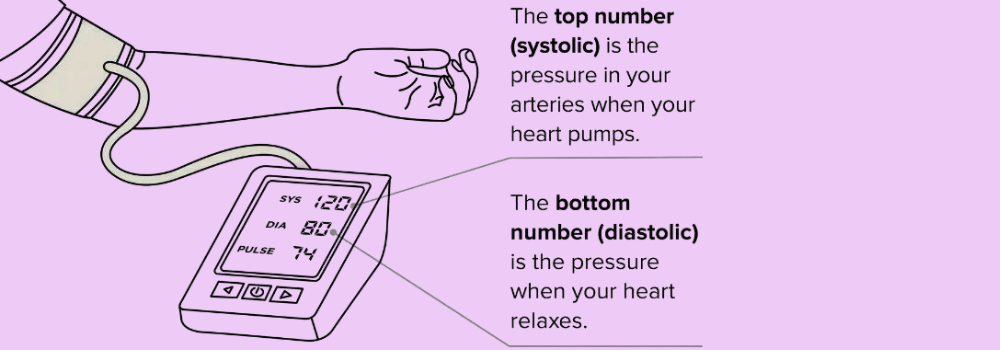
Blood pressure is written as two numbers. The first number is the systolic pressure, which measures the pressure in your arteries when your heart contracts. The second is the diastolic pressure, which reflects the pressure in your arteries between heartbeats.
With a reading of 160/100 mm Hg, the systolic pressure is 160 and the diastolic pressure is 100.
Both numbers are higher than recommended. According to the American Heart Association, Stage 2 hypertension begins at a systolic pressure of 140 mm Hg or higher or a diastolic pressure of 90 mm Hg or higher. That means a reading of 160/100 clearly falls within the Stage 2 range.
| Blood Pressure Category | Systolic | Diastolic |
|---|---|---|
| Normal | Less than 120 | Less than 80 |
| Elevated | 120–129 | Less than 80 |
| Stage 1 hypertension | 130–139 | 80–89 |
| Stage 2 hypertension | 140 or higher | 90 or higher |
| Severe hypertension | Higher than 180 | and/or higher than 120 |
One reading does not automatically establish a diagnosis of chronic hypertension. Blood pressure changes throughout the day and can temporarily rise because of stress, physical activity, pain, caffeine, illness, medications, or even the way the measurement is taken.
Still, a reading of 160/100 should not simply be dismissed. If it remains elevated when you repeat it correctly or appears repeatedly on different days, it deserves medical evaluation.
Is 160/100 Blood Pressure Dangerous?
A blood pressure of 160/100 is significantly high, but it is not automatically a medical emergency.
The distinction matters. High blood pressure can damage blood vessels and organs over time, increasing the risk of heart disease, stroke, kidney disease, and other complications. But the number 160/100 alone does not mean that a person is currently having a heart attack, stroke, or other acute emergency.
The American Heart Association generally considers blood pressure above 180/120 to be in the severe range. If that level is accompanied by symptoms such as chest pain, shortness of breath, weakness, numbness, vision changes, or difficulty speaking, it may represent a hypertensive emergency and requires immediate medical attention.
Therefore, if your blood pressure is 160/100 and you feel normal, the appropriate next step is usually to repeat the reading carefully and arrange medical follow-up rather than automatically assuming you need the emergency room.
On the other hand, symptoms matter. Someone with a blood pressure of 160/100 who has new chest pain, severe shortness of breath, neurological symptoms, or another serious symptom should not rely on the blood pressure number alone to decide whether the situation is urgent.
Is 160/100 Stage 2 Hypertension?
Yes. A blood pressure of 160/100 falls into Stage 2 hypertension because both the systolic and diastolic numbers are above the Stage 2 thresholds.
Stage 2 hypertension is more than a mildly elevated reading. If your average blood pressure remains at this level, your healthcare provider will typically discuss lifestyle measures and blood pressure medication as part of treatment.
The 2025 American Heart Association/American College of Cardiology guideline recommends medication in addition to lifestyle interventions for adults with an average blood pressure of at least 140/90 mm Hg. The exact medication plan depends on your health history, other medical conditions, current medications, kidney function, cardiovascular risk, and other factors.
This is why repeated readings are important. A single 160/100 reading can happen for many temporary reasons. Repeated readings around 160/100 are much more concerning for ongoing hypertension.
Blood Pressure 160/100: What Should You Do?
If you see 160/100 on your home blood pressure monitor, do not panic. Instead, take a few minutes to make sure you are measuring it correctly.
First, stop what you are doing and sit quietly. Your back should be supported, your feet should be flat on the floor, and your arm should be supported at approximately heart level. Avoid talking while the measurement is being taken.
If you have recently exercised, smoked, consumed caffeine, or experienced a stressful event, give your body time to settle before repeating the measurement when possible.
Take another reading after sitting quietly. Record both numbers along with the date and time.
If the second reading remains around 160/100, contact your primary care provider. This is especially important if you have previously been diagnosed with high blood pressure, diabetes, kidney disease, heart disease, or another condition that increases cardiovascular risk.
If you are already taking blood pressure medication, continue taking it exactly as prescribed unless your healthcare professional tells you otherwise. Do not take an extra dose simply because one reading is high unless your prescribing clinician has given you specific instructions for doing so.
Quick Answer: What Should You Do at 160/100?
Sit quietly, repeat the measurement using proper technique, and record the result. If your readings remain around 160/100, contact your healthcare provider for evaluation. A reading in this range is Stage 2 hypertension and should be addressed, even if you feel completely fine.
How to Recheck a Blood Pressure of 160/100
Before assuming that a reading of 160/100 represents your usual blood pressure, make sure the measurement itself is reliable.
Small changes in technique can make a meaningful difference. For the most reliable home reading, sit in a chair with your back supported. Keep both feet flat on the floor rather than crossing your legs. Rest your arm on a surface so that the cuff is approximately at heart level.
Use a properly fitting upper-arm cuff when possible. Place it according to the monitor manufacturer’s instructions and remain still and quiet during the measurement.
Do not immediately take repeated readings one after another while becoming increasingly anxious about the number. Give yourself a short period of quiet rest and then repeat the measurement.
A single reading is more like a snapshot. A series of properly taken readings over time gives your healthcare provider a much better understanding of your usual blood pressure.
If you regularly see readings in the 150s or 160s systolic or around 90–100 or higher diastolic, keep a blood pressure log and bring it to your appointment.
When Is High Blood Pressure an Emergency?
One of the most important questions people ask after seeing a high reading is whether they need to go to the hospital.
A blood pressure above 180/120 mm Hg is considered severe and requires prompt attention. If you obtain a reading above that level, wait at least one minute and measure it again.
If the repeat reading remains above 180/120, contact a healthcare professional immediately if you do not have concerning symptoms.
However, if a reading above 180/120 is accompanied by symptoms that may indicate acute organ damage, call 911 or seek emergency medical care immediately.
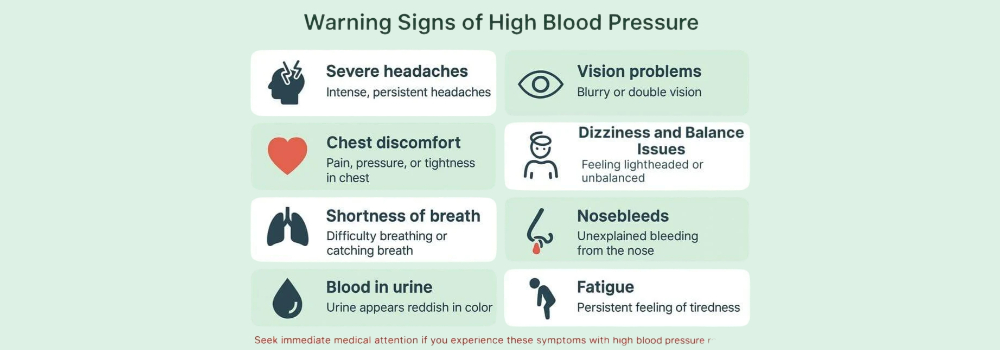
Warning symptoms include:
- Chest pain or pressure
- Shortness of breath
- New weakness or numbness
- Difficulty speaking
- Sudden changes in vision
- Severe or unusual headache
- Confusion or a significant change in mental status
- Severe back pain
- Loss of consciousness
The American Heart Association specifically identifies chest pain, shortness of breath, back pain, numbness, weakness, vision changes, and difficulty speaking as warning symptoms when blood pressure is above 180/120.
Do not wait for the blood pressure to come down on its own if you have symptoms suggesting a medical emergency.
What Symptoms Can Happen With High Blood Pressure?
High blood pressure can be difficult to recognize because many people have no symptoms at all. That is one reason routine blood pressure checks are important.
You should not assume that your blood pressure is normal simply because you feel fine. Likewise, a headache or feeling anxious does not automatically prove that your blood pressure is high.
Some people may notice headaches, dizziness, flushing, or a feeling of being unwell when their blood pressure is elevated, but these symptoms are not specific enough to diagnose hypertension.
What matters most is the actual blood pressure measurement and the overall clinical picture.
More serious symptoms such as chest pain, difficulty breathing, sudden weakness, trouble speaking, or sudden vision changes require urgent assessment, particularly when blood pressure is severely elevated.
What Can Cause Blood Pressure to Suddenly Reach 160/100?
Blood pressure is not a fixed number. It naturally changes in response to activity, emotions, hormones, sleep, medications, illness, and other factors.
A sudden reading of 160/100 does not necessarily mean that you suddenly developed chronic hypertension.
Some common factors that can temporarily push blood pressure higher include:
- Stress or anxiety
- Recent exercise
- Pain
- Caffeine
- Nicotine
- Alcohol
- Lack of sleep
- Acute illness
- Taking certain medications
- Incorrect blood pressure measurement technique
- A cuff that is too small or improperly positioned
There are also longer-term factors associated with high blood pressure, including excess sodium intake, physical inactivity, excess body weight, family history, aging, kidney disease, diabetes, sleep apnea, and certain hormonal or vascular conditions.
Sometimes blood pressure becomes difficult to control despite appropriate treatment. When that happens, a healthcare provider may look for an underlying cause or medication-related factor.
Can Stress Cause Blood Pressure to Reach 160/100?
Yes, stress can temporarily raise blood pressure.
When you experience stress, your body releases hormones that increase heart rate and cause blood vessels to constrict. This can cause a temporary rise in blood pressure.
For some people, anxiety surrounding the blood pressure measurement itself can contribute to a higher reading. This is sometimes referred to as the white coat effect when blood pressure rises in a medical setting.
However, stress should not automatically be blamed for repeated readings of 160/100.
If your blood pressure repeatedly reaches this level, it is important to determine whether you have underlying hypertension rather than assuming every elevated reading is caused by anxiety or a stressful day.
Can Medications Raise Blood Pressure?
Yes. Some medications and substances can increase blood pressure or make existing hypertension harder to control.
Examples can include certain decongestants, nonsteroidal anti-inflammatory drugs, hormonal medications, stimulants, and other prescription or over-the-counter products. The effect varies from person to person and depends on the medication and your health history.
Do not stop a prescription medication on your own because you suspect it is affecting your blood pressure.
Instead, tell your healthcare provider everything you take, including prescription medications, over-the-counter medicines, vitamins, supplements, energy products, and recreational substances. This information can help identify possible contributors to elevated blood pressure.
How Is High Blood Pressure Diagnosed?
A healthcare professional does not diagnose chronic hypertension based solely on one isolated reading whenever the situation allows for additional evaluation.
During your appointment, your provider may take several blood pressure readings and recommend home blood pressure monitoring to see how your numbers change outside the clinic.
A review of your medical history can provide additional clues about what may be contributing to high blood pressure. Your provider may ask about your diet, physical activity, sleep, stress levels, medications, family history, smoking, alcohol use, and other health conditions. These details help your provider assess your overall cardiovascular risk and determine whether additional testing or treatment may be appropriate.
If high blood pressure is confirmed, your provider may also evaluate your overall cardiovascular risk and look for conditions that could affect treatment decisions.
Depending on your individual situation, evaluation may include blood tests, urine testing, cholesterol testing, blood glucose testing, kidney function assessment, an electrocardiogram, or other diagnostic tests.
Lifetime Primary Care in Sugar Land provides in-office diagnostic testing for a range of acute and chronic health conditions, including routine blood work, cholesterol screening, diabetes screening, EKGs, and urinalysis.
Learn more about diagnostic testing at Lifetime Primary Care.
How Is Blood Pressure of 160/100 Treated?
Treatment depends on whether the reading is isolated or persistent and on your overall health.
If your blood pressure repeatedly averages around 160/100, lifestyle changes alone may not be enough. Stage 2 hypertension commonly requires medication along with lifestyle measures.
The goal is not simply to make one blood pressure reading look better. Treatment is intended to bring your average blood pressure into a healthier range and reduce the long-term risk of complications.
Depending on the individual, a healthcare provider may prescribe one or more blood pressure medications. Common medication classes include ACE inhibitors, angiotensin receptor blockers, calcium channel blockers, and diuretics. The appropriate medication depends on factors such as kidney function, age, pregnancy status, other medical conditions, current medications, and possible side effects.
Some people need more than one medication to reach their blood pressure goal. That does not mean treatment has failed. Hypertension often requires ongoing monitoring and adjustments over time.
If you already take blood pressure medication and continue seeing readings around 160/100, make an appointment rather than simply doubling your medication yourself.
What Can You Do to Lower Blood Pressure?
Medication is only one part of blood pressure management. Lifestyle habits can play an important role in controlling hypertension and reducing cardiovascular risk.
Reduce Excess Sodium
High sodium intake can contribute to higher blood pressure, particularly in people who are salt-sensitive. Pay attention to packaged foods, processed meats, restaurant meals, canned foods, sauces, and other foods that can contain substantial amounts of sodium.
Rather than focusing only on the salt shaker, look at the overall sodium content of your diet.
Follow a Heart-Healthy Eating Pattern
A heart-healthy eating pattern such as the DASH diet emphasizes vegetables, fruits, whole grains, beans, nuts, and other nutrient-rich foods while limiting excess sodium and highly processed foods.
Your healthcare provider can help you determine what eating pattern makes sense for your health, particularly if you also have diabetes, kidney disease, high cholesterol, or another chronic condition.
Stay Physically Active
Regular physical activity can help support healthier blood pressure. If you have been inactive, start gradually and choose activities that are appropriate for your current fitness level and medical conditions.
Walking, cycling, swimming, and other moderate activities may be appropriate for many people, but your healthcare provider can advise you about exercise if you have significant cardiovascular disease or other health concerns.
Work Toward a Healthy Weight
If you are overweight, even modest weight loss can help improve blood pressure and other cardiovascular risk factors.
A healthy weight is only one part of the picture, however. Someone can have hypertension without being overweight, so weight should not be treated as the only explanation for high blood pressure.
Limit Alcohol
Excess alcohol intake can contribute to higher blood pressure. If you drink alcohol, discuss your intake with your healthcare provider and consider reducing it if appropriate.
Do Not Smoke
Smoking and nicotine can affect blood vessels and cardiovascular health. If you smoke, quitting is one of the most important steps you can take to protect your heart and blood vessels.
Prioritize Sleep
Poor sleep and certain sleep disorders can contribute to cardiovascular risk. If you snore heavily, wake up gasping, feel excessively sleepy during the day, or have other signs of sleep apnea, talk with your healthcare provider.
Manage Stress
Stress management cannot replace medical treatment for Stage 2 hypertension, but reducing chronic stress may support healthier habits and overall cardiovascular health. Techniques such as regular physical activity, adequate sleep, relaxation exercises, and counseling may help depending on your situation.
Should You Monitor Blood Pressure at Home?
Home blood pressure monitoring can be very useful when evaluating or managing hypertension.
A home log gives your healthcare provider more information than a single office reading. It can help show whether your blood pressure is consistently elevated, whether it changes at different times of day, and whether treatment appears to be working.
Use a validated blood pressure monitor and follow the manufacturer’s instructions. Take readings under similar conditions when possible and record the results.
Bring your monitor to a medical appointment occasionally if your provider recommends it. Comparing your home device with an office measurement can help identify whether the device is providing reliable readings.
Do not become overly focused on one isolated number. Your provider is usually more interested in the pattern over time.
At the same time, consistently high readings should not be ignored simply because you feel well. High blood pressure often has no obvious symptoms.
When Should You See a Doctor for 160/100 Blood Pressure?
If your blood pressure is repeatedly around 160/100, you should schedule an appointment with a healthcare professional.
You should be particularly proactive if you have other risk factors or medical conditions, such as:
- Diabetes
- Kidney disease
- High cholesterol
- Heart disease
- Previous stroke or transient ischemic attack
- Obesity
- Sleep apnea
- A strong family history of hypertension or cardiovascular disease
You should also speak with your provider if your blood pressure has recently increased from your normal range without an obvious reason.
If you are taking medication and your readings remain high, your provider may need to review the dose, timing, medication combination, adherence, lifestyle factors, or possible secondary causes of hypertension.
At Lifetime Primary Care in Sugar Land, hypertension is included among the chronic conditions addressed through chronic disease management. The clinic provides blood pressure evaluation and ongoing primary care for patients with chronic health conditions.
Learn more about chronic care management.
Can a Primary Care Doctor Treat Blood Pressure of 160/100?
Yes. A primary care doctor can evaluate and manage many cases of blood pressure around 160/100.
Primary care is often the starting point for diagnosing hypertension, reviewing home readings, identifying contributing factors, checking for related health conditions, prescribing medication when appropriate, and monitoring how well treatment is working.
At Lifetime Primary Care in Sugar Land, Dr. Misbah Kalair, MD, is a family medicine specialist who provides care for chronic medical conditions. The practice specifically lists high blood pressure and cholesterol management among its services.
The clinic also provides chronic care management that includes screening, testing, monitoring, treatment coordination, and patient education for chronic conditions such as hypertension.
If you have repeatedly recorded blood pressure around 160/100, bringing your home blood pressure log and a list of your medications to your appointment can make the evaluation more useful.
Need Help Managing High Blood Pressure?
If your blood pressure readings are repeatedly around 160/100, it is worth discussing them with a primary care professional. Lifetime Primary Care in Sugar Land provides evaluation and ongoing management for high blood pressure and other chronic conditions.
Lifetime Primary Care
16645 W Airport Blvd
Sugar Land, TX 77498
Phone: (281) 313-0662
Frequently Asked Questions
Is 160/100 blood pressure dangerous?
A blood pressure of 160/100 is significantly elevated and falls into Stage 2 hypertension. It should be taken seriously and evaluated, particularly if the reading is repeated. However, 160/100 is below the usual severe-hypertension threshold of above 180/120 and does not automatically mean you are experiencing a hypertensive emergency.
Is 160 over 100 an emergency?
Not necessarily. If you have a reading of 160/100 and feel well, repeat the measurement after resting and contact your healthcare provider if it remains elevated. Emergency care is especially important when blood pressure is above 180/120 and is accompanied by symptoms such as chest pain, shortness of breath, weakness, numbness, vision changes, or difficulty speaking.
Should I go to the hospital for blood pressure of 160/100?
A reading of 160/100 alone does not automatically mean that you need to go to the hospital. If you have concerning symptoms, however, the symptoms themselves may require urgent evaluation. If your blood pressure rises above 180/120, repeat the measurement and seek immediate medical guidance, particularly if symptoms are present.
What should I do if my blood pressure is 160/100 at home?
Sit quietly and repeat the reading using proper technique. Make sure your feet are flat on the floor, your back is supported, your arm is supported at heart level, and you remain quiet during the measurement. If the reading remains around 160/100, record it and contact your healthcare provider.
Can stress cause blood pressure to reach 160/100?
Stress can temporarily raise blood pressure, sometimes substantially. However, repeated readings around 160/100 should not automatically be attributed to stress. Persistent high readings should be evaluated for hypertension and other possible contributing factors.
Can caffeine cause blood pressure to rise?
Caffeine can temporarily increase blood pressure in some people. If you notice consistently higher readings after coffee, energy drinks, or other caffeinated products, discuss the pattern with your healthcare provider.
Can blood pressure 160/100 cause symptoms?
It can, but many people with high blood pressure have no symptoms. Headache, dizziness, or feeling unwell can occur for many reasons and cannot by themselves confirm that blood pressure is high. Severe symptoms such as chest pain, trouble breathing, weakness, difficulty speaking, or sudden vision changes require urgent medical attention.
What is the difference between 160/100 and 180/120?
Both readings are high, but they fall into different categories. A reading of 160/100 is Stage 2 hypertension. Blood pressure above 180/120 is considered severe hypertension and requires prompt attention. When a reading above 180/120 occurs with concerning symptoms, it may represent a hypertensive emergency requiring 911 assistance.
Can I lower 160/100 blood pressure naturally?
Lifestyle changes such as reducing excess sodium, eating a heart-healthy diet, staying physically active, maintaining a healthy weight, limiting alcohol, not smoking, managing stress, and getting adequate sleep can help lower blood pressure. However, if your average blood pressure remains around 160/100, lifestyle changes may need to be combined with medication under the guidance of a healthcare professional.
How long does it take to lower blood pressure?
The timeframe varies. Some changes can affect blood pressure relatively quickly, while meaningful improvement in chronic hypertension may take longer and may require medication adjustments. Your healthcare provider can monitor your readings and determine whether your treatment plan is working.
Can a primary care doctor treat Stage 2 hypertension?
Yes. Primary care doctors routinely evaluate and manage hypertension. They can review your blood pressure readings, assess cardiovascular risk, order appropriate testing, recommend lifestyle changes, prescribe medication when appropriate, and monitor your response to treatment.
Final Takeaway
A blood pressure reading of 160/100 mm Hg is high and falls within Stage 2 hypertension. It deserves attention, especially when it occurs repeatedly, but it is not automatically a hypertensive emergency.
If you get a single reading of 160/100, sit quietly and repeat the measurement using proper technique. If your blood pressure remains around this level, keep a record of your readings and contact your healthcare provider for evaluation.
Do not wait for symptoms before addressing persistent high blood pressure. Hypertension often has no obvious warning signs, yet over time it can contribute to serious cardiovascular and kidney problems.
Emergency care is different. A blood pressure reading above 180/120 mm Hg should be checked again after at least one minute. Persistent readings at or above this level require immediate medical guidance. The presence of serious symptoms—such as chest pain, shortness of breath, weakness, numbness, vision changes, difficulty speaking, or severe headache—makes the situation an emergency and warrants a call to 911.
The most important goal is not to become frightened by one number. It is to understand the pattern, identify why your blood pressure is elevated, and work with a healthcare professional on a plan to bring it under control.
Medical Sources & References
American Heart Association — Blood Pressure Explained
Covers blood pressure categories, Stage 2 hypertension, severe hypertension, and hypertensive emergency guidance.
American Heart Association — Understanding Blood Pressure Readings
Explains blood pressure categories, treatment recommendations, and when high readings require medical attention.
2025 AHA/ACC High Blood Pressure Guideline
Presents the latest recommendations for blood pressure classification, accurate measurement, lifestyle changes, home monitoring, and medication treatment.
American Heart Association — Home Blood Pressure Monitoring
Provides guidance on repeating elevated readings, using a home monitor correctly, and keeping a blood pressure journal.
Medical Disclaimer
This article is for educational purposes only and is not a substitute for medical advice, diagnosis, or treatment. Blood pressure readings should be interpreted in the context of your overall health, symptoms, medications, and medical history. If you have a severe or rapidly worsening blood pressure reading, or symptoms such as chest pain, difficulty breathing, weakness, numbness, vision changes, confusion, or difficulty speaking, seek emergency medical care. Always follow your healthcare professional’s instructions regarding blood pressure monitoring and medications.