

Needing to urinate more often than usual can be frustrating, disruptive, and sometimes worrying. For some women, frequent trips to the bathroom happen because they are drinking more fluids, consuming caffeine, or taking a medication that increases urine production. For others, the change may be related to a urinary tract infection (UTI), diabetes, an overactive bladder, pregnancy, menopause, pelvic floor changes, or another medical condition.
The important point is that frequent urination in women is a symptom, not a diagnosis. If you suddenly find yourself peeing much more often, waking repeatedly at night to urinate, or feeling an urgent need to use the bathroom throughout the day, it is worth paying attention to the pattern and any symptoms occurring alongside it.

Quick answer: Frequent urination in women can be caused by a UTI, diabetes, pregnancy, menopause, overactive bladder, certain medications, increased fluid or caffeine intake, pelvic floor problems, or other urinary and metabolic conditions. Burning or painful urination often points toward a UTI, while frequent large amounts of urine accompanied by excessive thirst can be a sign of high blood sugar. Persistent or unexplained changes should be evaluated by a healthcare professional.
Understanding what is causing the change can help you know whether you need a urine test, blood testing, diabetes screening, treatment for an infection, or further evaluation. This guide explains the most common causes of frequent urination in women and when it should be checked by a doctor.
Table of Contents
- What Does Frequent Urination Mean?
- What Causes Frequent Urination in Women?
- 1. Urinary Tract Infection
- 2. Diabetes and High Blood Sugar
- 3. Overactive Bladder
- 4. Pregnancy
- 5. Perimenopause and Menopause
- 6. Drinking Too Much Fluid, Caffeine, or Alcohol
- 7. Certain Medications
- 8. Pelvic Floor Problems
- 9. Interstitial Cystitis
- 10. Kidney or Bladder Stones
- 11. Incomplete Bladder Emptying
- Why Am I Peeing a Lot Without a UTI?
- Why Do I Urinate So Often at Night?
- What Does Frequent Urination From Diabetes Feel Like?
- What Other Symptoms Should I Watch For?
- When Is Frequent Urination an Emergency?
- How Is Frequent Urination Diagnosed?
- How Is Frequent Urination Treated?
- What Can You Do at Home?
- When Should a Woman See a Doctor?
- How Lifetime Primary Care Can Help
- Frequently Asked Questions
- The Bottom Line
- Medical Sources
What Does Frequent Urination Mean?
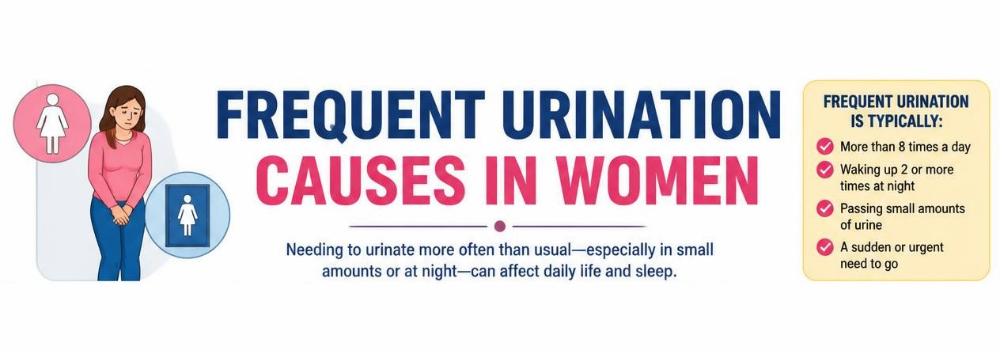
Frequent urination means needing to urinate more often than is normal for you. There is no single number of bathroom trips that automatically means something is wrong because normal urination varies depending on fluid intake, medications, diet, activity, age, pregnancy, and other factors.
What matters most is a noticeable change from your usual pattern. A woman who normally urinates five or six times a day but suddenly needs to go every hour may be experiencing urinary frequency, especially if the change continues or interferes with work, sleep, travel, exercise, or daily activities.
It is also important to distinguish frequency from producing a large amount of urine. With urinary frequency, you may feel the need to go often but pass only a small amount each time. With conditions such as uncontrolled diabetes, your body may produce substantially more urine because excess glucose in the blood causes more water to be lost through the urine.
The reason behind the symptom can therefore be very different from one woman to another.
What Causes Frequent Urination in Women?
Several conditions can cause frequent urination. Some are temporary and easily treated, while others require evaluation for an underlying medical problem.
Common causes include:
- Urinary tract infections
- Diabetes or persistently high blood sugar
- Overactive bladder
- Pregnancy
- Perimenopause and menopause
- High intake of water, caffeine, alcohol, or other bladder irritants
- Certain medications, particularly medicines that increase urine production
- Pelvic floor weakness or dysfunction
- Interstitial cystitis or bladder pain syndrome
- Kidney or bladder stones
- Difficulty completely emptying the bladder
- Other urinary, neurological, hormonal, or metabolic conditions
The symptoms accompanying frequent urination often provide important clues about the underlying cause.
1. Urinary Tract Infection
A urinary tract infection is one of the most common explanations for sudden urinary frequency in women. UTIs occur more often in women partly because the female urethra is shorter and located closer to the anus, making it easier for bacteria to reach the urinary tract.
Typical bladder infection symptoms include a strong or frequent urge to urinate, burning or pain while urinating, lower abdominal discomfort, and urine that may be cloudy, bloody, or unusually strong-smelling.
One of the biggest clues is the combination of frequency plus burning or pain. However, symptoms can vary, and frequent urination alone does not prove that you have a UTI.
If you have frequent urination accompanied by fever, chills, nausea, vomiting, or pain in your back, side, or groin, the infection may have reached the kidneys. Kidney infections need prompt medical attention.
If you suspect a UTI, testing can help determine whether an infection is actually present rather than assuming every episode of frequent urination is caused by bacteria.
2. Diabetes and High Blood Sugar
Diabetes is another important cause of frequent urination. When blood glucose remains too high, the kidneys work to remove excess glucose from the blood. This process can increase the amount of urine produced.
Frequent urination related to diabetes may occur along with:
- Increased thirst
- Dry mouth
- Increased hunger
- Fatigue
- Blurred vision
- Unexplained weight loss
- Repeated urinary tract or yeast infections
If you are producing larger amounts of urine and are also unusually thirsty, diabetes should be considered, particularly if these symptoms are new or persistent.
Diabetes can also affect the bladder in other ways. Over time, high blood glucose can contribute to nerve damage that interferes with normal bladder function. Some women with diabetes may experience urgency, frequent urination, leakage, or difficulty completely emptying the bladder.
If frequent urination occurs with symptoms that could indicate diabetes, a doctor may recommend blood glucose testing and other laboratory evaluation.
For women already living with diabetes, a new change in bladder habits should also be discussed with a healthcare professional rather than automatically being attributed to diabetes.
3. Overactive Bladder
Overactive bladder is a condition in which the bladder contracts suddenly and creates a strong urge to urinate, sometimes even when it contains only a relatively small amount of urine.
A woman with an overactive bladder may experience:
- A sudden, difficult-to-control urge to urinate
- Frequent bathroom visits
- Waking during the night to urinate
- Urine leakage before reaching the bathroom
Overactive bladder is different from a UTI. A woman can have significant urgency and frequency without having a bacterial infection.
Bladder symptoms may be influenced by caffeine, alcohol, certain medications, constipation, neurological conditions, pelvic floor problems, or other factors. A healthcare professional can help determine whether overactive bladder or another condition is responsible.
4. Pregnancy
Frequent urination can occur during pregnancy, particularly as the uterus grows and places additional pressure on the bladder. Hormonal and physical changes during pregnancy can also affect urinary function.
However, frequent urination during pregnancy should not automatically be assumed to be a normal pregnancy symptom. UTIs are also common during pregnancy, and their symptoms can overlap with ordinary pregnancy-related urinary frequency.
If you are pregnant and develop burning with urination, urgency that feels unusual, blood in the urine, fever, back pain, or other concerning symptoms, contact your obstetric provider promptly.
UTIs during pregnancy are important to identify and treat because an untreated infection can progress to a kidney infection and may cause complications.
5. Perimenopause and Menopause
Changes in urinary habits can occur during perimenopause and menopause. Declining estrogen levels can affect tissues around the vagina and urinary tract, while changes in pelvic floor strength may contribute to urgency, frequency, or urine leakage.
Some women notice that they wake several times during the night to urinate. Others may experience urgency or leakage when coughing, laughing, sneezing, or exercising.
Although these symptoms become more common around menopause, they should not simply be dismissed as something every woman has to live with. Treatment depends on the underlying cause and may include lifestyle changes, pelvic floor therapy, medications, or other approaches.
6. Drinking Too Much Fluid, Caffeine, or Alcohol
Sometimes the explanation is surprisingly simple: you may be drinking more than you realize.
Large amounts of water, coffee, tea, energy drinks, soda, and other beverages can increase bathroom trips. Caffeine in particular can contribute to urinary urgency and frequency in some people. Alcohol can also affect urine production and make nighttime bathroom trips more likely.
Rather than severely restricting fluids, look for patterns. If your symptoms become noticeably worse after several cups of coffee or large amounts of fluid in the evening, that information can be useful when discussing the problem with your doctor.
Do not intentionally dehydrate yourself to avoid urinating. Adequate hydration remains important for general health.
7. Certain Medications
Some medications can increase urination or change bladder habits. Diuretics, sometimes called water pills, are a common example because they encourage the kidneys to remove more salt and water from the body.
Other medications may indirectly contribute to urinary symptoms depending on how they affect fluid balance, bladder function, or other health conditions.
If frequent urination began shortly after starting or changing a medication, tell your healthcare professional. Do not stop a prescribed medication on your own. Your clinician can determine whether the medication may be contributing and whether an adjustment is appropriate.
8. Pelvic Floor Problems
The pelvic floor muscles help support the bladder and other pelvic organs and play an important role in bladder control. Pregnancy, childbirth, aging, menopause, and other factors can affect these muscles.
Pelvic floor problems can contribute to urgency, urinary leakage, and difficulty controlling urination. Some women notice leakage when they cough, sneeze, laugh, lift something, or exercise. Others experience a sudden urge that makes it difficult to reach the bathroom in time.
These symptoms are common, but they are not something you simply have to accept. A healthcare professional can evaluate the pattern and discuss treatment options, which may include pelvic floor exercises or pelvic floor physical therapy.
9. Interstitial Cystitis
Interstitial cystitis, also called bladder pain syndrome, can cause urinary frequency and urgency without a typical bacterial UTI.
Some women experience bladder or pelvic pain, pressure, urinary urgency, and frequent urination. Symptoms may fluctuate, with certain foods, drinks, stress, sexual activity, or other factors triggering flares.
Because the symptoms can resemble a UTI, women with persistent urinary symptoms but repeatedly negative infection testing may need additional evaluation.
10. Kidney or Bladder Stones
Urinary stones can sometimes irritate the urinary tract and cause frequent urination, urgency, pain, or blood in the urine.
Kidney stones often cause significant pain in the side or back that may move toward the lower abdomen or groin. Some women may also experience nausea or vomiting.
Blood in the urine should not be ignored, particularly when it occurs repeatedly or without an obvious explanation.
11. Incomplete Bladder Emptying
Frequent urination does not always mean the body is producing too much urine. Sometimes the bladder does not empty completely.
When urine remains in the bladder, you may feel as though you need to go again shortly after urinating. Some women may also experience a weak urine stream, difficulty starting urination, dribbling, pressure, or a sensation that the bladder never completely empties.
Diabetes-related nerve problems, pelvic floor dysfunction, certain neurological conditions, medications, and other urinary problems can contribute to incomplete emptying.
Difficulty emptying the bladder should be medically evaluated, particularly if the problem is persistent or worsening.
Why Am I Peeing a Lot Without a UTI?
If you are urinating frequently but your urine testing does not show a UTI, there are several other possibilities.
For example, frequent urination without infection can occur with overactive bladder, diabetes, pregnancy, menopause, increased caffeine intake, certain medications, pelvic floor problems, interstitial cystitis, urinary stones, or incomplete bladder emptying.
The pattern matters. Consider whether you are passing a large amount of urine each time or only a small amount. Also pay attention to whether you have urgency, burning, pelvic pain, leakage, excessive thirst, nighttime urination, or changes in your menstrual or reproductive health.
For example, frequent small amounts accompanied by urgency may point toward a bladder-related problem, while frequent large volumes accompanied by intense thirst can suggest increased urine production from a metabolic cause such as high blood sugar.
That distinction can help your healthcare professional decide what testing is appropriate.
Why Do I Urinate So Often at Night?
Waking once occasionally to use the bathroom may not be concerning, especially if you drank a large amount of fluid before bed. Repeated nighttime urination, known as nocturia, is more important to evaluate when it happens regularly or disrupts your sleep.
Frequent nighttime urination can be associated with:
- Drinking a lot of fluids late in the day
- Caffeine or alcohol in the evening
- Pregnancy
- Menopause and hormonal changes
- Overactive bladder
- Diabetes
- Urinary tract problems
- Certain medications
- Kidney or heart-related conditions
- Sleep disorders
Menopause is one possible explanation for nighttime urinary symptoms, but repeated nocturia should not automatically be blamed on aging or hormonal changes.
If you wake multiple times every night to urinate and are becoming tired during the day, talk with your healthcare professional. Treating the underlying cause may improve both urinary symptoms and sleep quality.
What Does Frequent Urination From Diabetes Feel Like?
Frequent urination caused by diabetes may feel different from the constant urge associated with a bladder infection.
When high blood glucose causes increased urine production, you may notice that you are passing larger amounts of urine rather than repeatedly passing only a small amount. Increased thirst often occurs at the same time.
Other symptoms can include fatigue, blurred vision, increased hunger, unexplained weight loss, and recurrent infections.
Importantly, not everyone with diabetes has obvious symptoms. Some people may have high blood sugar for a long time before realizing anything is wrong.
If frequent urination is new and you also feel unusually thirsty or tired, diabetes screening may be appropriate. A primary care doctor can evaluate your symptoms and determine whether blood glucose testing is needed.
What Other Symptoms Should I Watch For?
Frequent urination becomes more informative when you consider what happens before, during, and after using the bathroom.
| Symptoms with frequent urination | Possible clues |
|---|---|
| Burning or pain when urinating | UTI or another urinary irritation |
| Strong urgency with small amounts of urine | Overactive bladder or bladder irritation |
| Extreme thirst and large amounts of urine | Possible high blood sugar or another cause of increased urine production |
| Blood in the urine | UTI, stone, or another urinary tract condition that requires evaluation |
| Fever, chills, and back or side pain | Possible kidney infection |
| Urine leakage with coughing or sneezing | Stress urinary incontinence or pelvic floor weakness |
| Repeated nighttime urination | Nocturia, overactive bladder, diabetes, menopause, medications, or another condition |
No single symptom can establish a diagnosis. The purpose of these patterns is to help you and your healthcare professional decide what should be evaluated next.

When Is Frequent Urination an Emergency?
Frequent urination by itself is not usually a medical emergency. However, certain symptoms occurring with urinary changes require prompt or urgent medical attention.
Seek prompt medical care if frequent urination occurs with:
- Fever or chills
- Significant pain in the back, side, or groin
- Nausea or vomiting
- Visible blood in the urine
- Severe lower abdominal or pelvic pain
- Inability to urinate or completely empty the bladder
- Confusion, severe weakness, or feeling very unwell
- Symptoms of very high blood sugar, particularly excessive thirst, frequent urination, vomiting, abdominal pain, or significant weakness
If you are pregnant and develop symptoms suggestive of a UTI, contact your obstetric provider promptly rather than waiting for the symptoms to disappear.
Severe symptoms, particularly fever with back or side pain, vomiting, or significant illness, can indicate an infection that has moved beyond the bladder.
How Is Frequent Urination Diagnosed?
Finding the cause usually starts with a detailed discussion about your symptoms.
Your doctor may ask:
- When the frequent urination started
- How often you are urinating during the day
- How often you wake at night
- Whether you are passing small or large amounts of urine
- Whether you have burning, urgency, pain, or leakage
- Whether you have noticed blood in your urine
- How much fluid, caffeine, and alcohol you consume
- Which medications and supplements you take
- Whether you could be pregnant
- Whether you are experiencing menstrual or menopausal changes
- Whether you have diabetes or other chronic conditions
A physical examination may also be appropriate depending on your symptoms and medical history.
Urinalysis
A urine test can help look for signs of infection, blood, glucose, and other abnormalities. Lifetime Primary Care offers in-office diagnostic testing, including urinalysis and diabetes screening.
Urine Culture
If a UTI is suspected, a urine culture may be used to identify bacteria and help guide treatment, particularly in certain situations such as recurrent infections or pregnancy.
Blood Tests
Blood testing may be recommended when diabetes, kidney problems, or another systemic condition is suspected. Depending on the circumstances, your doctor may check blood glucose, A1C, kidney function, electrolytes, or other markers.
Additional Testing
Persistent or complicated urinary symptoms may sometimes require additional evaluation, such as imaging, assessment of bladder emptying, or referral to a specialist. The appropriate testing depends on your symptoms and initial findings.
How Is Frequent Urination Treated?
Treatment depends entirely on the underlying cause.
A bacterial UTI may require antibiotics. Diabetes-related urinary symptoms require appropriate blood sugar management and evaluation of any bladder complications. Overactive bladder may be managed through bladder training, lifestyle changes, pelvic floor therapy, medications, or other treatments depending on the individual situation.
Menopause-related symptoms may also have several treatment options. Pelvic floor problems can sometimes improve with targeted exercises or physical therapy.
The goal is not simply to reduce the number of bathroom trips. The goal is to identify why the urinary pattern changed and treat the underlying problem appropriately.
What Can You Do at Home?
While you are arranging an evaluation or monitoring mild symptoms, a few practical changes may help you identify triggers.
Keep a simple bladder diary for several days. Record what and how much you drink, when you urinate, whether you pass a small or large amount, whether you experience urgency or leakage, and whether symptoms wake you at night.
You can also pay attention to whether caffeine, alcohol, carbonated drinks, or large amounts of fluid before bedtime make the symptoms worse.
Do not severely restrict water simply because you are urinating frequently. Concentrated urine can irritate the bladder, and dehydration can create other health problems.
If you have recurrent symptoms, a bladder diary can give your healthcare professional useful information that may be difficult to remember during an appointment.
When Should a Woman See a Doctor?
Consider making an appointment if frequent urination is new, persistent, worsening, or interfering with your normal activities or sleep.
You should especially consider evaluation if:
- You are urinating much more often than usual without an obvious reason.
- You repeatedly wake during the night to urinate.
- You have burning, urgency, pelvic discomfort, or other possible UTI symptoms.
- You are extremely thirsty or are passing unusually large amounts of urine.
- You have recurrent UTIs.
- You have urinary leakage or difficulty controlling your bladder.
- You feel that your bladder does not empty completely.
- You notice blood in your urine.
- You are pregnant and have possible UTI symptoms.
- The symptoms continue despite changes in your fluid or caffeine intake.
You do not need to wait until symptoms become severe before discussing them with a doctor. Early evaluation can help distinguish a simple temporary problem from a condition that needs treatment.
How Lifetime Primary Care Can Help
Persistent urinary changes can involve more than one part of your health. A primary care evaluation can help determine whether your symptoms are more consistent with a UTI, diabetes, bladder dysfunction, medication effects, hormonal changes, or another condition.
At Lifetime Primary Care in Sugar Land, Dr. Misbah A. Kalair, MD, is a Family Medicine Specialist with more than 20 years of experience. The practice provides primary care, women’s health, chronic disease management, and diagnostic services.
Depending on your symptoms, evaluation may include a medical history, physical examination, urine testing, blood work, or diabetes screening. Lifetime Primary Care’s diagnostic testing services include routine blood work, urinalysis, and diabetes screening.
If your symptoms are related to an ongoing condition such as diabetes, continued follow-up may also be part of chronic care management.
Don’t Ignore Persistent Urinary Changes
Frequent urination can have a simple explanation, but persistent or unexplained symptoms deserve medical evaluation. If you are concerned about frequent daytime or nighttime urination, a primary care visit can help identify the next appropriate step.
Frequently Asked Questions
Why am I urinating so frequently as a woman?
Frequent urination can have many causes, including a UTI, overactive bladder, diabetes, pregnancy, menopause, increased caffeine or fluid intake, certain medications, pelvic floor problems, and other urinary or metabolic conditions. The associated symptoms and whether you pass small or large amounts of urine can help determine the likely cause.
Can diabetes cause frequent urination?
Yes. High blood glucose can cause increased urination because the kidneys remove excess glucose and water from the body. Frequent urination related to diabetes may occur with increased thirst, fatigue, blurred vision, increased hunger, or unexplained weight loss.
Why am I peeing a lot without having a UTI?
Frequent urination can occur without a UTI because of overactive bladder, diabetes, pregnancy, menopause, caffeine, alcohol, certain medications, pelvic floor problems, interstitial cystitis, urinary stones, or incomplete bladder emptying. If the symptom persists, a healthcare professional can help determine the cause.
What causes frequent nighttime urination in women?
Nighttime urination can be related to fluid intake before bed, caffeine or alcohol, pregnancy, menopause, overactive bladder, diabetes, medications, or other health conditions. Repeated nighttime urination that disrupts sleep should be discussed with a healthcare professional.
Can a UTI cause frequent urination without burning?
Yes, urinary frequency can occur with a UTI, and not every person experiences every classic symptom. However, frequent urination alone does not confirm a UTI. A urine evaluation may be appropriate depending on the overall symptoms and medical history.
How often is too often to urinate?
There is no universal number that applies to every woman. Fluid intake, medications, pregnancy, age, and health conditions all affect urination. A noticeable increase from your normal pattern, especially when it interferes with daily life or sleep, is more important than a specific number.
When should frequent urination be checked by a doctor?
Make an appointment if frequent urination is persistent, unexplained, worsening, or affecting your sleep or daily activities. Seek prompt care if it occurs with fever, chills, back or side pain, vomiting, blood in the urine, inability to urinate, or significant weakness or illness.
Can menopause cause frequent urination?
Yes. Hormonal and pelvic floor changes around menopause can contribute to urinary urgency, frequency, leakage, and nighttime urination. These symptoms are common but are treatable and should not simply be dismissed as a normal part of aging.
What tests are used to find the cause of frequent urination?
Depending on your symptoms, testing may include urinalysis, urine culture, blood glucose or A1C testing, kidney function tests, and other blood tests. Persistent or complicated symptoms may require additional bladder or urinary tract evaluation.
Can frequent urination be a sign of something serious?
Sometimes. Frequent urination can be caused by relatively simple problems such as increased caffeine intake or a bladder infection, but it can also accompany diabetes, kidney or urinary tract problems, or other medical conditions. Symptoms such as blood in the urine, fever, severe pain, vomiting, or inability to urinate require prompt medical attention.
The Bottom Line
Frequent urination in women can happen for many reasons, and a UTI is only one possibility. Diabetes, overactive bladder, pregnancy, menopause, pelvic floor changes, medications, caffeine, urinary stones, and other conditions can also change how often you need to use the bathroom.
Pay attention to the pattern. Frequent small amounts with burning may suggest a urinary infection, while frequent larger amounts accompanied by excessive thirst can point toward increased urine production, including from high blood sugar. Nighttime urination may have different causes again.
If the change is persistent, unexplained, or interfering with your sleep and daily life, it is worth discussing with a healthcare professional. The right evaluation can help identify the cause instead of simply treating the symptom.
Medical Sources
Diabetes: Symptoms and Causes — NIDDK
Information about increased urination, thirst, fatigue, weight loss, blurred vision, and other symptoms associated with diabetes.
Diabetes, Sexual, & Bladder Problems — NIDDK
Information on how diabetes and high blood glucose can contribute to frequent or urgent urination, bladder dysfunction, urinary retention, and bladder infections.
Bladder Infection (UTI) in Adults — NIDDK
Guidance on urinary frequency, urgency, burning, lower abdominal discomfort, urine changes, and warning signs of kidney infection.
Urinary Tract Infections — ACOG
Women-specific information covering UTI symptoms, risk factors, diagnosis, recurrent infections, pregnancy, and warning signs.
Bladder Control Problems — NIDDK
Information about urinary frequency, urgency, incontinence, pelvic floor factors, medications, caffeine, pregnancy, childbirth, and menopause.
Menopause Symptoms and Relief — Office on Women’s Health
Information about urinary symptoms during perimenopause and menopause, including nighttime urination and urinary incontinence.
Medical Disclaimer: This article is for educational purposes only and is not a substitute for professional medical advice, diagnosis, or treatment. Frequent urination can have many possible causes, and the appropriate evaluation depends on your symptoms, medical history, medications, age, pregnancy status, and other health factors. Seek prompt medical attention for severe or rapidly worsening symptoms, fever with back or side pain, blood in the urine, inability to urinate, or other concerning symptoms.