

If your blood sugar is 200 mg/dL after eating, it is understandable to wonder whether that number is dangerous or whether it means you have diabetes. The answer depends on when you checked your glucose, whether you already have diabetes, what you ate, and whether the reading came from a home glucose meter or a formal laboratory test.
For many adults with diabetes, the American Diabetes Association recommends a post-meal blood glucose target of less than 180 mg/dL 1–2 hours after the beginning of a meal. So a reading of 200 mg/dL is above that commonly used target. However, a single home reading of 200 mg/dL after an ordinary meal is not enough by itself to diagnose diabetes. A formal 2-hour oral glucose tolerance test uses a specific glucose drink and has different diagnostic criteria. ADA guidance and current diabetes diagnostic standards make this distinction important.

Quick Answer
A blood sugar of 200 mg/dL after eating is higher than the usual post-meal target for most adults with diabetes, particularly when measured 1–2 hours after the beginning of a meal. If you repeatedly see readings around 200 mg/dL after meals, you should discuss them with a healthcare professional.
However, one home glucose reading of 200 mg/dL after a regular meal does not automatically mean you have diabetes. Diabetes can be diagnosed using specific tests such as an A1C, fasting plasma glucose, or a 2-hour glucose level during a formal 75-g oral glucose tolerance test. A 2-hour OGTT result of 200 mg/dL or higher is in the diabetes range, but that is not the same as checking your glucose two hours after a normal meal at home.
Note:
A post-meal glucose reading and a diagnostic oral glucose tolerance test are not interchangeable. An OGTT involves fasting first, drinking a measured 75-gram glucose solution, and having blood glucose measured at a specified time. A glucose meter reading taken after your usual breakfast, lunch, or dinner is a different type of measurement.
Table of Contents
- Is Blood Sugar 200 After Eating Too High?
- What Is a Normal Blood Sugar After Eating?
- What Should Blood Sugar Be Two Hours After Eating?
- Does Blood Sugar 200 After a Meal Mean Diabetes?
- Why Does Blood Sugar Spike After Eating?
- What Symptoms Can High Blood Sugar Cause?
- When Should You See a Doctor for High Blood Sugar After Meals?
- How Do Doctors Evaluate High Post-Meal Blood Sugar?
- How Can You Lower High Blood Sugar After Meals?
- How Can You Prevent Blood Sugar Spikes After Eating?
- What Should You Expect at a Primary Care Visit?
- Frequently Asked Questions
- Final Takeaway
Is Blood Sugar 200 After Eating Too High?
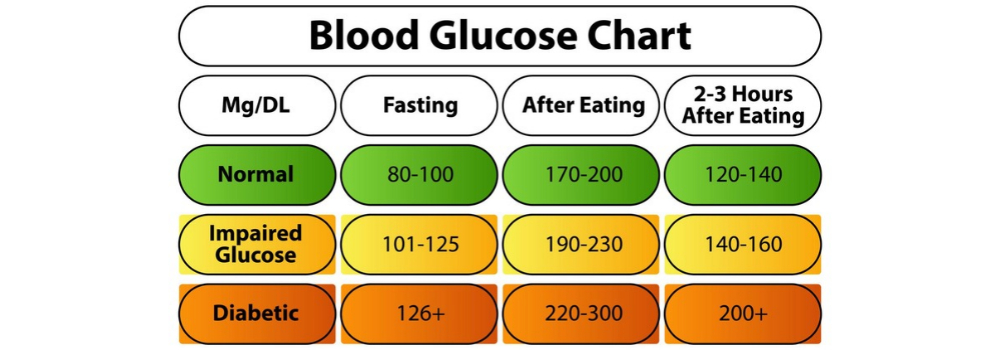
Yes, a blood sugar of 200 mg/dL after eating is higher than the usual post-meal target used for most adults with diabetes. The American Diabetes Association lists a typical target of less than 180 mg/dL for blood glucose measured 1–2 hours after the beginning of a meal. Individual targets can differ based on age, health, medications, pregnancy status, and other factors, so your own healthcare professional may recommend a different range.
That does not mean every reading of 200 mg/dL is an emergency.
Blood glucose naturally rises after you eat because carbohydrates are broken down into glucose and absorbed into the bloodstream. Insulin helps move glucose from the blood into cells where it can be used for energy. If insulin is not produced in sufficient amounts or the body does not respond to insulin effectively, glucose can remain elevated for longer.
One high reading may happen after a particularly carbohydrate-heavy meal, during an illness, after a period of inactivity, or because of stress. The more important question is whether your glucose is repeatedly reaching 200 mg/dL or higher after meals.
If you frequently see post-meal readings around 200 mg/dL, especially if you do not already have a diabetes diagnosis, it is worth having your blood glucose properly evaluated rather than assuming the number is simply caused by what you ate.
What Is a Normal Blood Sugar After Eating?
There is not one universal number that applies to every person immediately after eating.
For people who already have diabetes, the ADA commonly recommends checking post-meal glucose 1–2 hours after the beginning of a meal, with a general target of less than 180 mg/dL for many nonpregnant adults. Your personal target may be different.
For someone without diabetes, glucose also rises after meals, but the body normally regulates it through insulin and other metabolic processes. A temporary increase after eating does not necessarily indicate disease.
This is why the timing of your measurement matters. A glucose reading taken 20 minutes after finishing a large meal cannot be interpreted in exactly the same way as a reading taken two hours after the meal began.
The type of test matters, too. A home glucose meter gives you a snapshot of your blood glucose at one particular moment. Diagnostic tests such as an A1C, fasting plasma glucose, or formal OGTT provide information that can be interpreted using established diagnostic criteria.
| Measurement | What It Means |
|---|---|
| 1–2 hours after beginning a meal in many adults with diabetes | ADA commonly recommends a target of less than 180 mg/dL, although individual targets may differ. |
| 2-hour formal OGTT | 200 mg/dL or higher is in the diabetes diagnostic range when the test is performed properly. |
| Fasting plasma glucose | 126 mg/dL or higher is in the diabetes diagnostic range when confirmed appropriately. |
| A1C | 6.5% or higher is in the diabetes diagnostic range when confirmed appropriately. |
These diagnostic thresholds apply to nonpregnant individuals and should be interpreted by a healthcare professional.
What Should Blood Sugar Be Two Hours After Eating?
If you have diabetes, the ADA’s commonly used post-meal target is less than 180 mg/dL 1–2 hours after the beginning of the meal. Therefore, if you repeatedly measure 200 mg/dL two hours after starting a meal, that is above the usual target and deserves attention.
But there is an important distinction between a routine post-meal reading and a diagnostic two-hour OGTT result.
During a formal oral glucose tolerance test, you first fast for at least eight hours. A healthcare professional checks your fasting glucose, you drink a measured glucose solution containing 75 grams of glucose, and your blood glucose is measured two hours later. A 2-hour result of 200 mg/dL or higher is diagnostic of diabetes when the test is performed according to the required protocol and the diagnosis is appropriately confirmed.
So if your home meter shows 200 mg/dL after eating a normal meal, you should not interpret that number as automatically equivalent to a 200 mg/dL OGTT result.
Does Blood Sugar 200 After a Meal Mean Diabetes?
Not necessarily.
A blood sugar reading of 200 mg/dL after an ordinary meal can be a sign that your glucose regulation needs further evaluation, but a single home reading cannot establish a diabetes diagnosis by itself.
Doctors diagnose diabetes using established laboratory criteria. Current ADA standards include an A1C of 6.5% or higher, fasting plasma glucose of 126 mg/dL or higher, a 2-hour plasma glucose of 200 mg/dL or higher during a properly performed 75-g OGTT, or a random plasma glucose of 200 mg/dL or higher when classic symptoms of hyperglycemia or a hyperglycemic crisis are present. When there is not unequivocal hyperglycemia, confirmatory testing is generally required.
This distinction is especially important if you have been checking your blood sugar at home because of symptoms or because diabetes runs in your family.
If your readings repeatedly rise to 200 mg/dL after meals, a primary care clinician can review your glucose pattern and determine whether you need an A1C, fasting glucose, or another appropriate test. Lifetime Primary Care provides diagnostic testing in Sugar Land, including routine blood work and diabetes screening.
Why Does Blood Sugar Spike After Eating?
Blood sugar naturally rises after you eat. The problem occurs when glucose remains higher than expected or rises substantially because the body is not handling the glucose effectively.
1. The meal contains a lot of carbohydrates
Foods containing carbohydrates are broken down into glucose. A large serving of refined carbohydrates, sugary foods, sweetened drinks, white bread, rice, pasta, desserts, or other rapidly digested carbohydrate-rich foods can cause a larger glucose rise than a meal containing more fiber, protein, and healthy fats.
That does not mean carbohydrates need to be eliminated. The amount, type, portion size, and overall meal composition all matter.
2. Insulin resistance
Insulin resistance means the body’s cells do not respond to insulin as effectively as they should. As a result, glucose may remain in the bloodstream for longer after eating.
Insulin resistance can develop before type 2 diabetes is diagnosed. This is one reason a person can have abnormal glucose patterns before meeting the formal criteria for diabetes.
3. Diabetes
People with type 1 or type 2 diabetes may experience high blood glucose after meals because the body does not produce enough insulin, does not use insulin effectively, or both.
For someone who already has diabetes, repeated post-meal readings above their target may indicate that their current meal plan, medication regimen, activity level, or overall diabetes management needs to be reviewed with their healthcare team.
4. Stress and illness
Stress hormones can make it harder for the body to control blood glucose. Illness can have a similar effect. The ADA notes that illness, stress, eating more than planned, exercising less than planned, and problems with insulin can all contribute to hyperglycemia.
5. Not taking diabetes medication as prescribed
If you have diabetes and miss medication or insulin doses, your blood sugar may rise. Never change your insulin or diabetes medication dose simply because you see a high number unless your healthcare professional has given you a specific correction plan.
6. Physical inactivity
Muscles use glucose for energy. Physical activity can therefore affect blood glucose levels, although the right amount and type of activity depends on your health and diabetes treatment plan.
If your glucose is very high or you have ketones, exercise may not be safe. The ADA advises checking for ketones when glucose is above 240 mg/dL and avoiding exercise when ketones are present.
What Symptoms Can High Blood Sugar Cause?
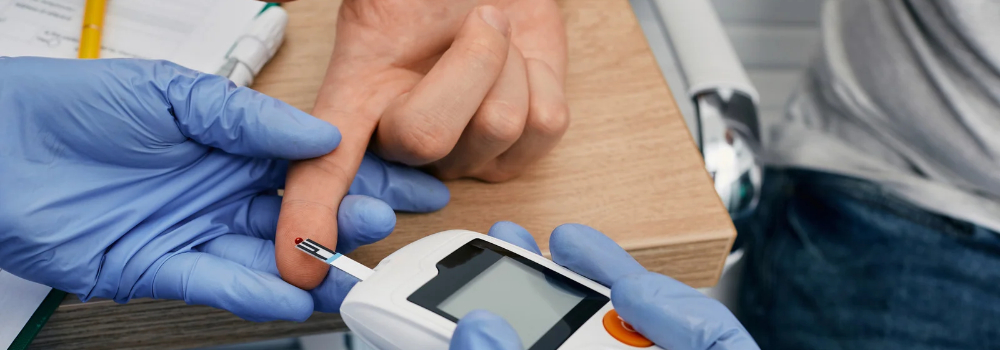
Some people notice symptoms when their blood glucose becomes elevated, while others may have few or no symptoms. Common symptoms of hyperglycemia include:
- Increased thirst
- Frequent urination
- Fatigue
- Blurred vision
- Dry mouth
- Difficulty concentrating
The ADA identifies increased thirst, frequent urination, and high blood glucose among the signs associated with hyperglycemia.
Symptoms become more concerning when blood glucose is very high or when signs of diabetic ketoacidosis develop. These can include nausea or vomiting, abdominal pain, fruity-smelling breath, rapid or deep breathing, severe fatigue, dehydration, or confusion. DKA is a medical emergency.
When High Blood Sugar Becomes an Emergency
A reading of 200 mg/dL after a meal is not automatically an emergency. However, seek emergency medical care if high blood sugar occurs with trouble breathing, repeated vomiting or inability to keep fluids down, fruity-smelling breath, confusion, severe weakness, or multiple symptoms of diabetic ketoacidosis.
The CDC advises people with diabetes to seek emergency care if blood sugar stays at 300 mg/dL or above, if they have fruity-smelling breath, vomiting and cannot keep food or drinks down, trouble breathing, or multiple signs of DKA.
When Should You See a Doctor for High Blood Sugar After Meals?
You should consider making an appointment if your blood sugar repeatedly reaches 200 mg/dL or higher after meals, particularly if you do not have a diabetes diagnosis.
You should also speak with a healthcare professional if you notice:
- Repeatedly elevated post-meal glucose readings
- Fasting glucose that is also higher than expected
- Increased thirst or frequent urination
- Unexplained weight loss
- Persistent fatigue or blurred vision
- A strong family history of diabetes combined with elevated glucose readings
- Difficulty keeping your blood sugar within your prescribed target range
Repeated high readings are more meaningful than one isolated result. Keeping a record of your glucose, meal timing, meal composition, physical activity, medications, and symptoms can help your clinician identify patterns.
If you already have diabetes, do not wait for symptoms before discussing repeated high readings with your diabetes care team. Persistent hyperglycemia can require changes to your management plan.
How Do Doctors Evaluate High Post-Meal Blood Sugar?
If you report blood sugar readings around 200 mg/dL after meals, your doctor will usually want to understand the bigger picture rather than relying on one number.
Reviewing your glucose pattern
Your clinician may ask when you check your glucose and whether you measure before eating, one hour after eating, two hours after eating, or at other times. The timing can make a major difference when interpreting the result.
Reviewing your meals and medications
Your healthcare professional may ask what you ate, how much you ate, whether you exercise after meals, and what medications or insulin you take. This can help identify factors contributing to post-meal spikes.
A1C testing
An A1C test provides an estimate of your average blood glucose over approximately the previous two to three months. An A1C of 6.5% or higher is in the diabetes diagnostic range, although appropriate confirmation is generally needed when there is not unequivocal hyperglycemia.
Fasting plasma glucose
A fasting plasma glucose test measures blood glucose after at least eight hours without caloric intake. A fasting result of 126 mg/dL or higher is in the diabetes diagnostic range.
Oral glucose tolerance test
An OGTT can show how the body handles a measured glucose load. For a nonpregnant adult, a 2-hour plasma glucose of 200 mg/dL or higher during a properly performed 75-g OGTT is in the diabetes range. A result from this formal test should not be confused with a home glucose reading taken two hours after an ordinary meal.
At Lifetime Primary Care, diagnostic testing includes routine blood work and diabetes screening. Your primary care doctor can determine which tests are appropriate based on your symptoms, glucose readings, medical history, and risk factors.
How Can You Lower High Blood Sugar After Meals?
If your glucose is elevated after a meal, the safest approach depends on whether you have diabetes and whether you have a prescribed treatment plan.
If you already have diabetes, follow the instructions provided by your healthcare professional. Do not take extra insulin or medication unless your treatment plan specifically tells you how to correct a high reading.
For many people, improving meal composition and portion sizes can help reduce large post-meal spikes. Meals that include fiber-rich vegetables, lean protein, and appropriately portioned carbohydrates may produce a different glucose response than meals dominated by refined carbohydrates or sugary drinks.
Regular physical activity can also play an important role in glucose management. However, if your blood sugar is very high or you have ketones, do not exercise until you have followed your healthcare team’s guidance. The ADA specifically advises against exercise when ketones are present with high blood glucose.
Drinking water can help prevent dehydration, but water is not a substitute for diabetes treatment when glucose is persistently elevated.
How Can You Prevent Blood Sugar Spikes After Eating?
There is no single meal plan that works perfectly for everyone. The goal is to understand which foods, portions, activity patterns, medications, and other factors affect your glucose.
Start by paying attention to patterns rather than judging yourself by one number. The ADA recommends recording glucose results and noting factors such as food, activity, and stress. Looking at repeated readings around the same time can help identify whether your treatment plan needs adjustment.
Some practical steps include choosing higher-fiber carbohydrate sources, limiting sugar-sweetened beverages, watching portion sizes, including protein with meals, staying physically active as medically appropriate, taking prescribed medications consistently, and monitoring glucose according to your healthcare professional’s instructions.
If you repeatedly see high post-meal glucose despite making reasonable changes, that is a reason to talk with your doctor rather than simply continuing to restrict food on your own.
What Should You Expect at a Primary Care Visit?
A primary care visit for high blood sugar after meals usually starts with a discussion of your glucose readings and symptoms.
Bring your glucose meter or glucose log if possible. If you use a continuous glucose monitor, your clinician may also want to review your glucose patterns.
Be prepared to explain when you usually test, what you typically eat, whether the readings occur after breakfast, lunch, or dinner, what medications you take, and whether you have experienced thirst, frequent urination, fatigue, blurred vision, or unexplained weight changes.
Your doctor may recommend laboratory testing based on your situation. This may include an A1C, fasting glucose, or another diabetes test. The goal is to determine whether the readings represent an isolated elevation, prediabetes, diabetes, or another issue that needs attention.
For ongoing conditions such as diabetes, chronic care management can help provide continued monitoring and follow-up. Regular preventive care can also help identify glucose abnormalities before they become more difficult to manage.
Lifetime Primary Care provides diabetes care in Sugar Land, including evaluation, treatment, and ongoing management. You can learn more about diabetes treatment in Sugar Land and the clinic’s approach to diabetes management.
Concerned About Repeatedly High Blood Sugar?
If your blood sugar repeatedly reaches 200 mg/dL after meals, a primary care evaluation can help determine why your glucose is elevated and whether you need diabetes testing or changes to your current treatment plan.
Frequently Asked Questions About Blood Sugar 200 After Eating
Is blood sugar of 200 after eating dangerous?
A blood sugar of 200 mg/dL after eating is above the usual post-meal target of less than 180 mg/dL used for many adults with diabetes, but it is not automatically an emergency. Repeated readings around 200 should be discussed with a healthcare professional, especially if you do not have a diabetes diagnosis. Emergency symptoms such as vomiting, trouble breathing, fruity-smelling breath, confusion, or multiple DKA symptoms require immediate medical attention.
What should my blood sugar be two hours after eating?
For many nonpregnant adults with diabetes, the ADA recommends a post-meal glucose target of less than 180 mg/dL when measured 1–2 hours after the beginning of a meal. Individual targets may differ.
Does blood sugar 200 after a meal mean diabetes?
Not necessarily. A home glucose reading of 200 mg/dL after an ordinary meal does not by itself diagnose diabetes. A 2-hour glucose of 200 mg/dL or higher during a formal 75-g OGTT is in the diabetes diagnostic range. A random glucose of 200 mg/dL or higher can also support a diabetes diagnosis when classic hyperglycemia symptoms or a hyperglycemic crisis are present.
Why does my blood sugar spike after eating?
Blood glucose normally rises after eating because carbohydrates are converted into glucose. Larger spikes can occur when a meal contains a high amount of rapidly digested carbohydrates, or when insulin resistance, diabetes, illness, stress, medication issues, or reduced physical activity affects glucose regulation.
When should I see a doctor for high blood sugar after meals?
Make an appointment if you repeatedly see readings around 200 mg/dL after meals, particularly if you do not already have diabetes or you are experiencing symptoms such as increased thirst, frequent urination, fatigue, blurred vision, or unexplained weight loss.
Can a person without diabetes have blood sugar of 200 after eating?
A temporary rise in glucose can happen after eating, but a repeated reading of 200 mg/dL is high enough to warrant medical evaluation. A clinician can use appropriate laboratory testing to determine whether you have prediabetes, diabetes, or another reason for elevated glucose.
Should I check my blood sugar again if it is 200 after eating?
If you have been instructed to monitor your glucose, follow your healthcare professional’s testing schedule. It can also be useful to record the time of the meal and the time of the glucose reading because timing is essential when interpreting post-meal glucose. If your meter reading seems unexpected, follow the meter manufacturer’s instructions for confirming an accurate reading.
Is 200 blood sugar two hours after eating worse than 200 one hour after eating?
The timing changes how the reading should be interpreted. A glucose reading one hour after a meal and one taken two hours after the meal began are not directly interchangeable. For many adults with diabetes, the ADA uses the 1–2 hour post-meal period and a target of less than 180 mg/dL. A formal 2-hour OGTT is a separate diagnostic test and should not be confused with either home measurement.
Should I go to the ER for blood sugar of 200 after eating?
A blood sugar reading of 200 mg/dL after eating by itself does not usually mean you need emergency care. However, emergency evaluation is appropriate if high blood sugar occurs with serious symptoms such as trouble breathing, repeated vomiting or inability to keep fluids down, fruity-smelling breath, confusion, or multiple symptoms of DKA. The CDC also advises emergency care when blood sugar stays at 300 mg/dL or above or when other DKA warning signs are present.
Final Takeaway
Blood sugar 200 after eating is higher than the usual post-meal target for many adults with diabetes, but one home reading does not automatically mean you have diabetes.
The most important details are when you checked your glucose, whether you already have diabetes, whether the elevated readings keep happening, and whether you have symptoms.
For many adults with diabetes, the ADA recommends a post-meal glucose target of less than 180 mg/dL 1–2 hours after the beginning of a meal. A 2-hour glucose of 200 mg/dL or higher during a formal 75-g oral glucose tolerance test, however, is in the diabetes diagnostic range. These are different measurements and should not be treated as interchangeable.
If your blood sugar repeatedly reaches 200 mg/dL after meals, talk with a primary care professional. Appropriate testing can determine whether the pattern is related to prediabetes, diabetes, insulin resistance, medications, diet, illness, stress, or another factor.
For patients in Sugar Land, Lifetime Primary Care provides primary care, diabetes management, and diagnostic testing. The clinic is located at 16645 W Airport Blvd, Sugar Land, TX 77498.
Need Help With High Blood Sugar?
Repeatedly high blood sugar after meals is worth discussing with a healthcare professional. Lifetime Primary Care can evaluate your glucose pattern and determine whether further diabetes testing or ongoing management is appropriate.
Medical Sources
American Diabetes Association: Blood Sugar Monitoring and Target Ranges — Post-meal glucose targets and guidance on interpreting repeated glucose readings.
American Diabetes Association: Standards of Care in Diabetes—2026: Diagnosis and Classification of Diabetes — Current diagnostic criteria for A1C, fasting plasma glucose, 2-hour OGTT glucose, and random glucose with classic symptoms.
National Institute of Diabetes and Digestive and Kidney Diseases: Diabetes Tests & Diagnosis — Explanation of A1C, fasting plasma glucose, oral glucose tolerance testing, and diagnostic thresholds.
Centers for Disease Control and Prevention: Diabetic Ketoacidosis — DKA warning signs, ketone testing, and when high blood sugar requires emergency medical attention.
Medical Disclaimer
This article is for educational purposes only and is not a substitute for professional medical advice, diagnosis, or treatment. Blood glucose targets and treatment recommendations can vary based on your health history, medications, age, pregnancy status, and other individual factors. Do not change insulin or other diabetes medications without guidance from your healthcare professional. If you are experiencing severe symptoms such as trouble breathing, repeated vomiting, confusion, or other signs of diabetic ketoacidosis, seek emergency medical care immediately.